Giga Casting Explained: Process, Pros & Cons
What giga casting is, how 6,000T+ machines reshape EV body production, its benefits and risks, and what it means for die casting buyers.

Mike Yao
Technical Director, Die Casting Engineering
Blog Visual Plan
Article visuals for giga casting
These visuals use your current KastMfg image library now, and they will automatically switch to article-specific images when you add them later.
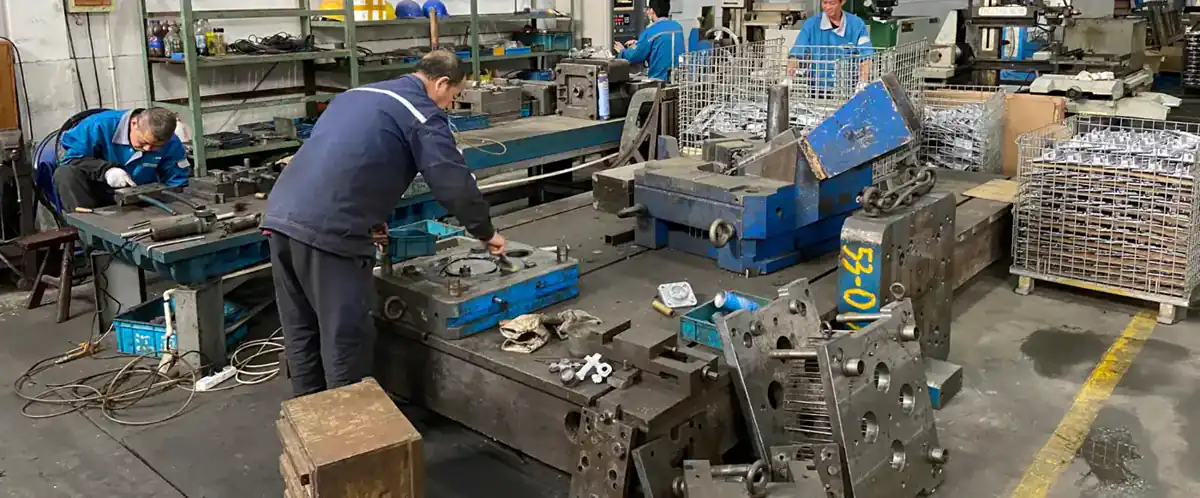
Lead Technical Image
Add a hero-level manufacturing, tooling, or component image that reinforces the article topic above the body copy.
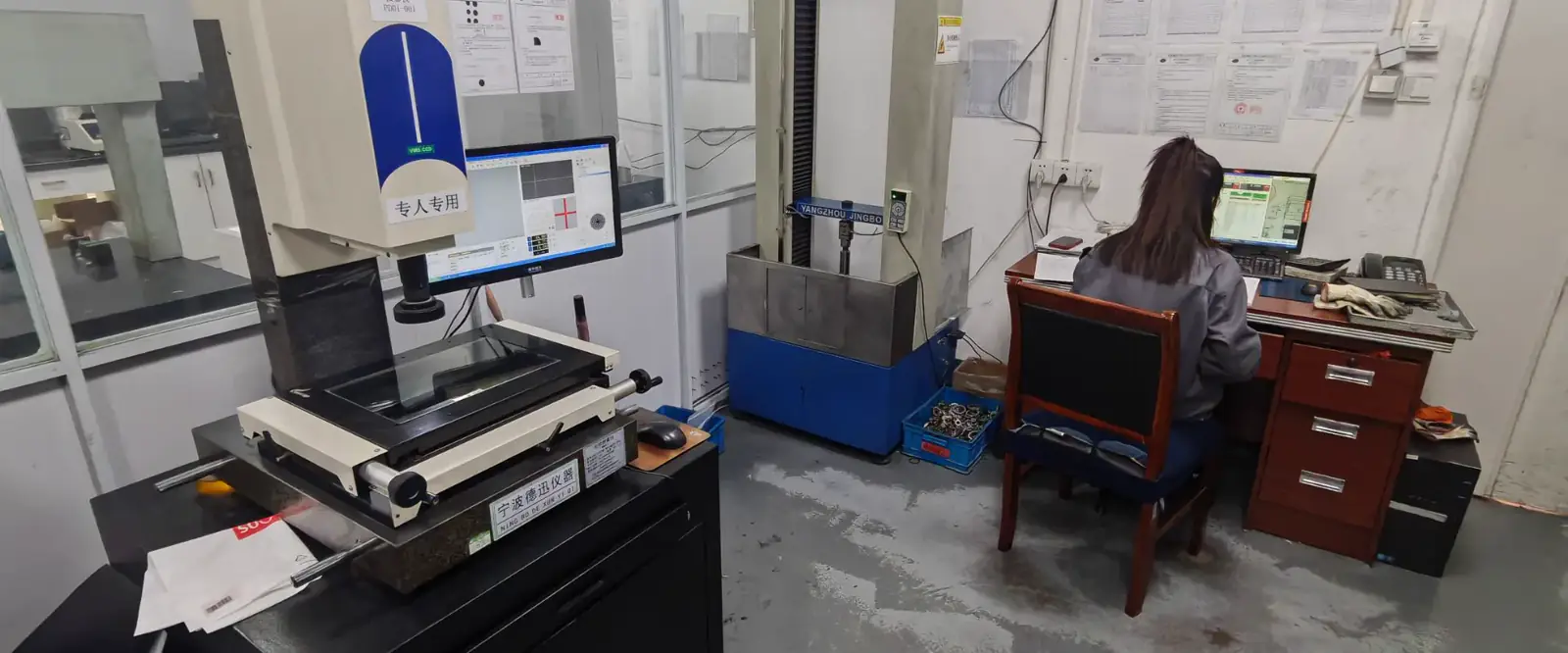
Comparison or Detail Image
Reserve a second image for an alloy comparison, defect example, tooling detail, or application close-up deeper in the article.
Giga casting (also called megacasting) is high pressure die casting of very large structural body components - entire rear underbodies, front ends, or battery tray sections - on machines with locking forces of 6,000 tonnes and above. Instead of stamping and welding 70-100 steel parts, an OEM casts one large aluminum structure in a single shot.
Tesla popularized the approach with its 6,000-9,000T Giga Press machines, and the idea has since spread across the EV industry. For sourcing professionals, giga casting is reshaping which parts stay stamped, which become cast, and where large structural castings will be sourced over the next decade.
How Giga Casting Works
The physics are the same as conventional high pressure die casting - molten aluminum injected at high speed into a hardened steel die - but at a different scale:
- Locking force: 6,000-16,000+ tonnes, versus 80-4,500T for typical production machines.
- Shot weight: 40-100+ kg of aluminum per cycle.
- Alloy: specially developed non-heat-treat Al-Si alloys (e.g., variants in the Silafont / Castasil family) that achieve ductility in as-cast condition, because a car-body-size casting cannot practically go through solution heat treatment without distortion.
- Vacuum system: large-capacity vacuum-assisted die casting is mandatory to control air entrapment across meter-long flow paths.
- Die size and cost: dies weigh 50-100+ tonnes and can cost several million dollars, with lead times of 6-12 months.
Benefits Driving Adoption
- Part count reduction. A single rear underbody casting can replace roughly 70 stamped and welded components, eliminating hundreds of robots, welds, and fixtures.
- Lower body-shop capital cost. Fewer welding lines and a smaller factory footprint for the same output.
- Weight and stiffness. Integrated castings remove flanges and spot-weld overlaps, saving weight while improving torsional stiffness - valuable for EV range.
- Dimensional consistency. One die holds the geometry of an entire structure, removing stack-up variation from multi-part assemblies.
- Simplified supply chain. Fewer part numbers, fewer suppliers, less logistics and incoming inspection.
Real Risks and Criticisms
Giga casting is not a free lunch, and buyers should understand the trade-offs:
- Repairability. A crash that damages a one-piece underbody can total the vehicle, pushing up insurance costs. OEMs now design bolt-on crash rails ahead of the casting to protect it.
- Tooling risk. A single die for an entire underbody is a single point of failure; die maintenance windows directly stop body production.
- Alloy and quality demands. Non-heat-treat alloys and very long flow lengths demand exacting process control; scrap on a 60 kg casting is expensive.
- Model flexibility. A dedicated die locks the design in; mid-cycle geometry changes are far costlier than reworking stamping dies.
- Volume threshold. The economics only work at high volume (typically 200k+ vehicles per year per platform).
What It Means for the Supply Chain
Most OEMs will not buy giga presses themselves beyond flagship plants - and most structural castings smaller than a full underbody will continue to be outsourced. The realistic supply-chain effects:
- Growing demand for large HPDC capacity in the 2,500-4,500T range for subframes, battery housings, motor housings, and shock towers that feed giga-casting platforms.
- Higher quality bar. Structural castings require vacuum systems, real-time shot monitoring, X-ray inspection, and documented process capability - the same disciplines behind our EV die casting programs.
- Alloy expertise matters. Non-heat-treat structural alloys and their recycling loops are becoming a competitive differentiator.
- Regionalization. Large castings are expensive to ship, so OEMs increasingly want regional suppliers with proven structural capability and export packaging discipline.
Giga Casting vs Conventional Approaches
| Criterion | Giga casting | Stamped + welded body | Conventional HPDC assemblies |
|---|---|---|---|
| Part count | 1-2 castings | 70-100 stampings | 5-20 castings |
| Body-shop capex | Low (after press) | High | Medium |
| Tooling cost | Very high, single die | Many lower-cost dies | Multiple medium dies |
| Best volume | 200k+/yr | Any | 20k-500k/yr |
| Repairability | Poor without sacrificial rails | Good | Moderate |
| Design flexibility | Low | High | Moderate |
| Weight | Lowest | Highest | Low |
Should Your Program Care?
If you source castings rather than bodies, giga casting's relevance is indirect but real: it is pulling investment into large HPDC cells, vacuum technology, and structural alloys - capacity and know-how that also improves conventional structural parts like motor housings and battery-side components. When you audit suppliers for EV structural programs, ask about vacuum capability, shot monitoring, and X-ray coverage; those answers tell you whether a foundry is keeping pace with the post-giga-casting quality bar.
FAQ
Is giga casting the same as megacasting?
Yes. The terms are used interchangeably for very large HPDC structural castings. "Giga casting" was popularized by Tesla's Giga Press branding; "megacasting" is the more common term among European OEMs and equipment makers.
Who makes giga presses?
Idra (Italy) supplied Tesla's original machines. Chinese press builders including LK Group / Haitian and Bühler (Switzerland) now offer machines from 6,000 to 16,000T, and several Chinese EV makers have adopted the process.
Does giga casting replace all stamped body parts?
No. Current practice is a hybrid: large castings for the front and rear underbody sections, with stampings, extrusions, and bolt-on crash structures around them. Full-body single castings remain experimental.
Can aftermarket or low-volume programs use giga casting?
No - die cost and press time only amortize at very high volume. Low-volume structural parts are better served by conventional HPDC, low pressure die casting, or squeeze casting.
Related Guides
- High pressure die casting — conventional HPDC capability
- Vacuum die casting — vacuum-assist for structural parts
- EV die casting — electric vehicle castings at KastMfg
Related
KastMfg runs 23 die casting machines from 80T to 1,600T with vacuum assist, producing structural and EV components for export programs. Contact us to discuss your structural casting requirements.
About The Author
Mike Yao on giga casting
Technical Director, Die Casting Engineering
Technical Director at KastMfg with 20+ years in high-pressure die casting, leading engineering and program management across aluminum, zinc, and magnesium programs for automotive, EV, electronics, and medical OEMs worldwide.
Related Reading
Keep exploring the blog
Die Casting vs Permanent Mold Casting: Which to Choose?
Die Casting vs Permanent Mold Casting: How to Choose Die casting and permanent mold casting are both metal mold processes - both use reusable steel or iron dies rather than expe...
Mike Yao
5 min read
Die Casting Tooling Steel: H13 vs P20 Compared
H13 vs P20 Die Casting Tooling Steel - When to Use Each H13 and P20 are both tool steels, but they are not equal choices for die casting. H13 is the standard for production die...
Mike Yao
6 min read
Die Casting Quotation Checklist for OEM Buyers
Die Casting Quotation Checklist for OEM Buyers A good die casting quotation is built from complete engineering information. If the drawing package is missing material, annual vo...
Mike Yao
9 min read
Die Casting vs Gravity Casting - Process & Cost
Die Casting vs Gravity Casting -Which Aluminum Casting Process Fits? High-pressure die casting and gravity casting both use metal molds, but they fill those molds in very differ...
Mike Yao
3 min read