Die Casting Soldering Defect and Blistering Guide
Die casting soldering defect and blistering guide: why aluminum bonds to die steel, how blisters form during T6 heat treatment, and prevention methods.
Production Capabilities
Defect reference visuals for die casting soldering defect
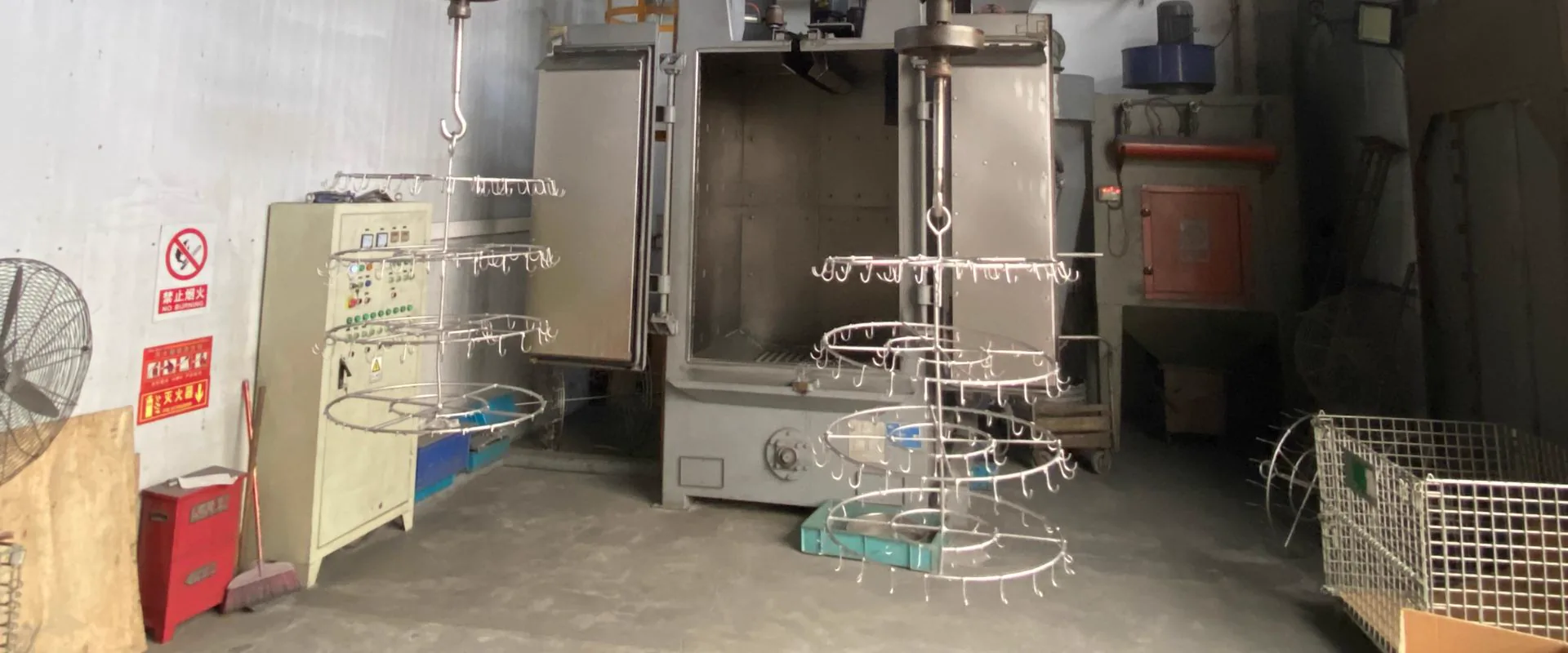
Defect Identification
Visual references including defect photographs, X-ray inspection, CT scans, and sectioned samples for accurate defect recognition.
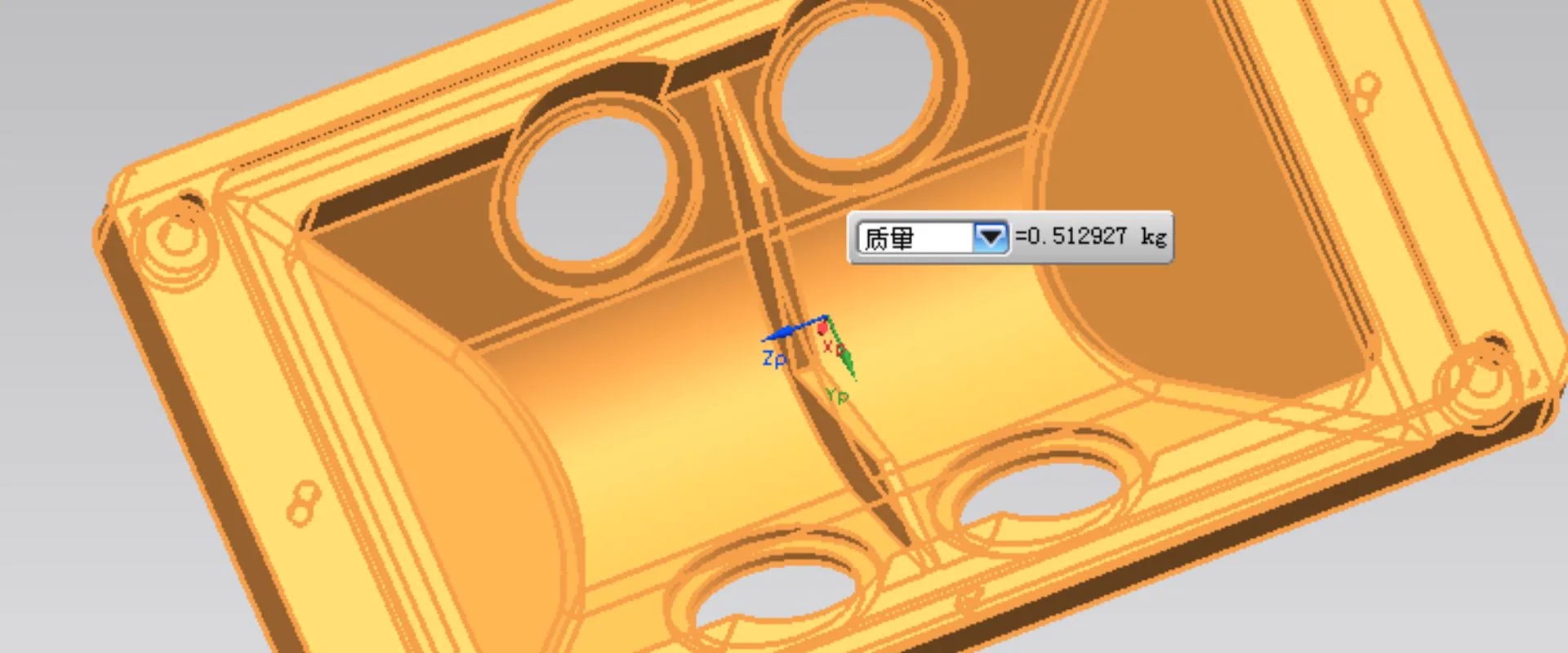
Process Control
Tooling adjustments, gating modifications, leak testing, and inspection procedures for die casting defect prevention.
Soldering and blistering are distinct defects that often appear together in discussions but have different mechanisms, different consequences, and different solutions. Understanding both precisely allows the correct intervention.
Soldering (Die Erosion)
What It Is
Soldering occurs when aluminum bonds to the die steel surface, causing the casting to tear at ejection rather than release cleanly. The defect appears as rough, torn, or pitted areas on the casting surface — typically near or downstream of the gate.
Why It Happens
Mechanical erosion: At gate velocities of 20-60 m/s, liquid aluminum impinges on die steel with enormous force. This erosion removes surface material from the die, creating rougher surfaces that provide increased mechanical bonding area.
Intermetallic formation: At aluminum casting temperatures (620-700°C), iron in the H13 die steel dissolves into the aluminum melt at the interface. Iron and aluminum form a family of iron-aluminum intermetallic compounds (FeAl3 and Fe2Al5 that are brittle but bond strongly to both the die steel and the solidified casting. When the die opens, the intermetallic layer — bonded to both surfaces — determines which surface tears.
Prevention
Reduce gate velocity: The primary driver of soldering is excessive gate velocity. Reducing velocity below 40-45 m/s in problem areas dramatically reduces mechanical erosion and intermetallic formation rate. This is the most effective single intervention.
Die lubrication: Adequate release agent application forms a thermal and chemical barrier between aluminum and die steel. The release agent must wet the die surface before each shot — dry spots become soldering sites.
H13 hardness: H13 at 44-48 HRC resists mechanical erosion significantly better than lower-hardness alternatives. P20 (28-32 HRC) shows measurably higher soldering rate in aluminum above 50,000 shots.
TiAlN coating: Physical vapor deposition (PVD) coatings on gate inserts reduce intermetallic formation and extend the interval before soldering begins. Applied to S7 or H13 inserts at the highest-velocity gate areas.
PVD/CVD coatings: CrN, TiN, or TiAlN coatings on die inserts in high-velocity zones reduce soldering tendency while maintaining base steel properties.
Blistering
What It Is
Blistering is a surface defect where the casting surface bulges outward in small dome shapes -"blisters" — typically 2-5 mm in diameter. Blisters are not visible on the as-cast surface (the die holds the surface flat during solidification) but appear during subsequent heating: heat treatment, welding, or elevated-temperature service.
Why It Happens
Standard HPDC aluminum contains gas porosity (see gas porosity guide). These pores contain compressed gas trapped during injection. During solution treatment at 480-540°C for T6 heat treatment, the trapped gas expands according to the ideal gas law:
P1/T1 = P2/T2 At solution treatment temperature (~510°C = 783 K) versus room temperature (~25°C = 298 K), the pressure of trapped gas increases by a factor of 2.6x. If the pore is near the surface and the surface wall between the pore and the die is thin, this pressure pushes the surface outward — creating a blister.
The Connection to T6 Heat Treatment
Blistering is the primary reason standard HPDC aluminum cannot be T6 treated. The same gas porosity that is inconsequential in a structural bracket becomes catastrophic in a T6 program — the solution treatment step inevitably blisters any part with near-surface porosity.
Prevention
Vacuum-assisted HPDC (VADC): Physically removes the gas before it can be entrapped. Parts with ASTM E505 Class 1-2 porosity (achievable with VADC) do not blister during T6 solution treatment. This is the definitive solution. See VADC guide.
Vacuum pressure impregnation (VPI) before T6: Seals pores with cured methacrylate resin before heat treatment. The resin prevents gas expansion from creating surface displacement. Effective but adds process cost and does not physically remove the porosity.
Shot peening: Cold-work the casting surface to induce compressive residual stress. Compressed surface skin is more resistant to blister formation. Used as a supplementary measure when porosity levels are borderline.
Low-pressure or gravity casting: Both processes produce inherently lower porosity than HPDC because of gentler, non-turbulent fill. A356-T6 (gravity cast) is routinely T6 treated without blistering — the casting process creates insufficient porosity to cause the problem.
Distinguishing Soldering from Blistering
| Feature | Soldering | Blistering |
|---|---|---|
| When it appears | At ejection / immediately visible | During heat treatment or service |
| Location | Gate area, high-velocity surfaces | Anywhere with near-surface porosity |
| Appearance | Rough, torn, pitted surface | Smooth dome-shaped surface bulge |
| Cause | Gate velocity + intermetallic | Gas porosity + heat treatment |
| Primary fix | Reduce gate velocity | VADC (remove porosity) |
| Die involvement | Die erosion, requires maintenance | No die damage |
Process consultation for soldering or blistering: casting@kastdiecast.com | +86 138 1403 4409
Related
Related Resources
Next steps for die casting soldering defect
Gas Porosity in Die Casting: Causes and Prevention
Gas porosity die casting guide: formation mechanisms, ASTM E505 classes, X-ray and CT detection, consequences for sealing and strength, and prevention.
Defect GuideDie Casting Flash: Causes, Limits and Prevention
Die casting flash explained: why fins form at parting lines and die interfaces, acceptable flash thickness limits by application, and prevention.
Quality GuideDie Casting Defects
Compare common defect types, causes, and corrective actions from a buyer and engineering perspective.
CapabilityQuality Control
Review inspection workflow, traceability support, and process control standards before launch.
Process GuideDie Casting Process
See how casting, trimming, machining, finishing, and inspection fit together in production.
Next StepRequest a Quote
Send your drawing package and target volume to get an engineering-backed quotation.
Need a Quote for Your Project?
Our engineering team is ready to review your requirements and provide competitive pricing with fast turnaround.
Request a Quote