Thixomolding vs Die Casting: Magnesium Guide
Thixomolding vs high pressure die casting for magnesium parts: process, porosity, cost, part size, and how to choose for lightweight programs.

Technical Director, Die Casting Engineering
Blog Visual Plan
Article visuals for thixomolding
These visuals use your current KastMfg image library now, and they will automatically switch to article-specific images when you add them later.
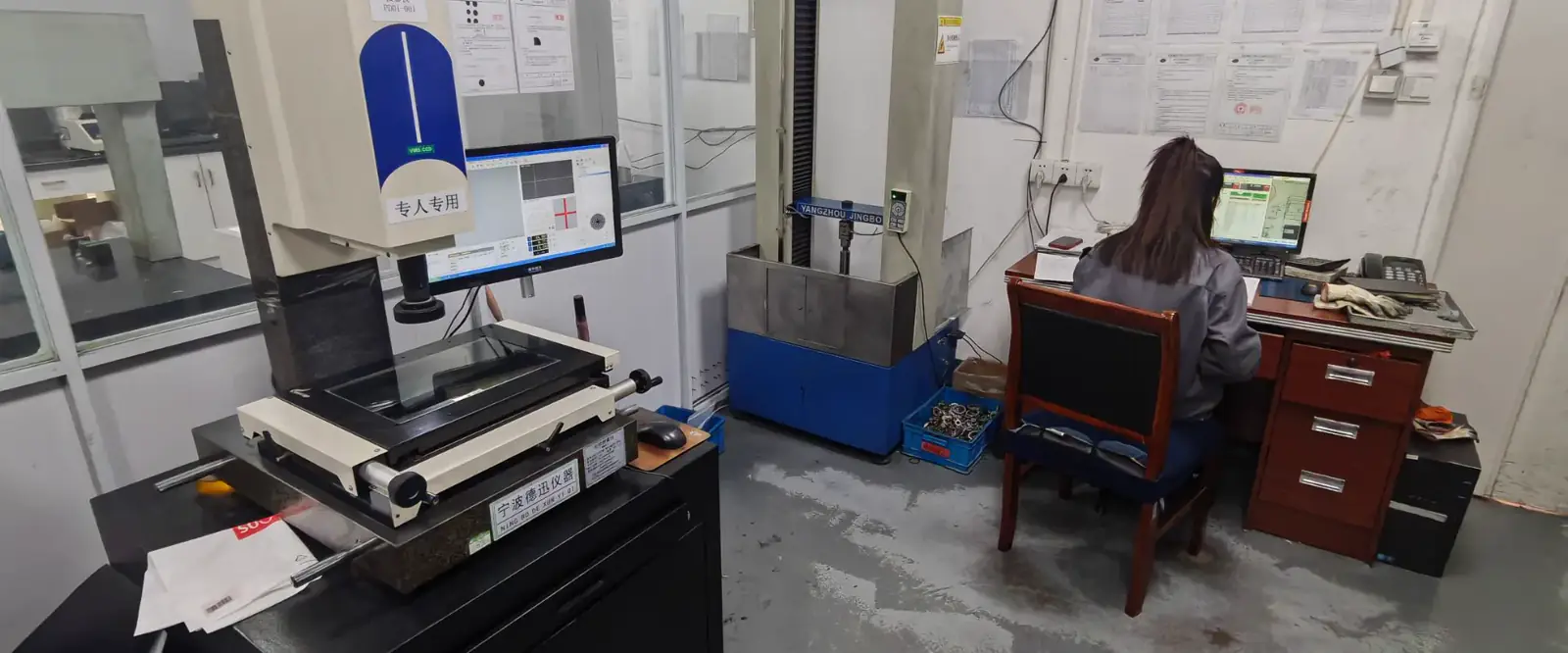
Lead Technical Image
Add a hero-level manufacturing, tooling, or component image that reinforces the article topic above the body copy.

Comparison or Detail Image
Reserve a second image for an alloy comparison, defect example, tooling detail, or application close-up deeper in the article.
Thixomolding is a semi-solid metal process: magnesium alloy chips are heated into a slurry of solid globules suspended in liquid, then injected into a die much like plastic injection molding. High pressure die casting (HPDC) injects fully molten metal at high speed into a steel die. Both produce net-shape magnesium parts, but they differ sharply in porosity, safety, tooling cost, and the part sizes they handle best.
For buyers of lightweight magnesium components - laptop chassis, drone frames, automotive brackets, power tool housings - the choice usually comes down to part thickness, annual volume, and whether the design can tolerate some porosity.
How Each Process Works
Thixomolding feeds solid magnesium chips into a heated barrel under an argon blanket. A screw shears and heats the alloy to a semi-solid state (typically 30-50% solid fraction), then injects the thixotropic slurry into the die. Because the metal never becomes fully liquid, there is no molten magnesium bath, no melting furnace, and no need for SF6 cover gas.
Magnesium HPDC melts the alloy in a crucible furnace and injects it through a hot- or cold-chamber machine at high gate speeds. It is the dominant process for thin-wall magnesium housings at scale - see our magnesium die casting capability page for alloys like AZ91D and AM60B.
Head-to-Head Comparison
| Parameter | Thixomolding | Magnesium HPDC |
|---|---|---|
| Metal state | Semi-solid slurry (30-50% solid) | Fully liquid |
| Fill behavior | Laminar, low turbulence | Turbulent, high-speed jets |
| Internal porosity | Very low | Moderate; gas entrapment possible |
| Heat treatment | Generally possible | Limited by blistering risk |
| Minimum wall thickness | ~0.8-1.0 mm typical | ~0.6-0.8 mm achievable |
| Part size range | Small to medium (machine-limited) | Small to large |
| Cycle time | Comparable to injection molding | Very fast |
| Tooling cost | High, wear-resistant steels | High |
| Machine cost | Very high (specialized machines) | Lower; standard hot chamber presses |
| Melt safety | No open melt; argon blanketing | Crucible handling, cover gas required |
| Scrap recycling | Chips and runners regrind on-site | Returns remelted in furnace |
| Supplier base | Narrow | Broad, especially in China |
Where Thixomolding Wins
- Low porosity for pressure-tight or cosmetic parts. Laminar fill of the slurry dramatically reduces entrapped gas, which helps leak-tight housings and parts that will be painted or anodized.
- Safety and environment. No open molten magnesium, no SF6 (a potent greenhouse gas) cover gas, and lower dross. This simplifies plant compliance for Western OEMs auditing suppliers.
- Dendrite-free microstructure. The globular structure improves ductility and gives more consistent mechanical properties than conventional cast structure.
- Thin walls with good fill. The slurry's shear-thinning behavior fills thin ribs and bosses well for small precision parts.
Where HPDC Wins
- Part size and machine availability. Thixomolding machines top out at moderate shot sizes; large magnesium crossmembers, instrument panel beams, and big housings are HPDC territory.
- Unit cost at volume. Hot chamber HPDC cycles faster and machines are far cheaper to buy and maintain, so piece price at scale is lower.
- Supplier choice and redundancy. The magnesium HPDC supplier base in China is deep, which matters for dual-sourcing and supplier transition programs.
- Very thin walls. For the thinnest wall sections below ~0.8 mm, high-speed HPDC fill still has the edge.
Cost Picture
Thixomolding machines are specialized and expensive, and magnesium feedstock for chips carries a premium, so thixomolded parts typically cost 10-30% more than equivalent HPDC parts at volume. The gap narrows when you account for:
- Lower scrap and no remelt losses for dross-heavy operations.
- Elimination of cover gas and melt-handling compliance costs.
- Reduced secondary leak testing for pressure-tight parts.
For low-to-medium volumes of small, high-value magnesium parts (electronics, medical, drones), thixomolding often pencils out. For large automotive volumes, HPDC is almost always cheaper per part.
How to Choose: A Decision Framework
- Part weight over ~2-3 kg or very large projected area? Choose HPDC; thixomolding machines will not take the shot.
- Pressure-tight, weld-repair-free, or heat-treated requirement? Thixomolding (or squeeze casting for aluminum) has the porosity advantage.
- Annual volume above ~300-500k and thin walls? HPDC wins on piece price.
- Strict ESG or melt-safety requirements at the supplier? Thixomolding's closed process is easier to approve.
- Need dual sourcing? HPDC's deeper supplier base reduces supply risk.
FAQ
Is thixomolding only for magnesium?
Commercial thixomolding is almost entirely magnesium. Semi-solid processing of aluminum exists (rheocasting, thixocasting) but uses different equipment and is a separate technology family. For conventional aluminum parts, the parallel decision is covered on our aluminum die casting capability page.
Can thixomolded parts be anodized or painted?
Yes. Low surface porosity gives better cosmetic results after powder coating, painting, and chemical conversion coatings than conventional die cast magnesium.
What alloys are used in thixomolding?
AZ91D and AM60B are the most common, the same workhorse alloys used in magnesium HPDC. The semi-solid route also handles higher-integrity variants for creep-resistant applications.
Does KastMfg offer thixomolding?
KastMfg specializes in magnesium high pressure die casting with in-house tooling, machining, and surface finishing. For programs where thixomolding is the better technical fit, we will tell you in the DFM review rather than force the wrong process.
Evaluating a magnesium lightweighting program? Send your drawing for a free DFM review, or read our magnesium die casting applications guide for real part examples.
About The Author
Mike Yao on thixomolding
Technical Director, Die Casting Engineering
Technical Director at KastMfg with 20+ years in high-pressure die casting, leading engineering and program management across aluminum, zinc, and magnesium programs for automotive, EV, electronics, and medical OEMs worldwide.
View author profileRelated Reading
Keep exploring the blog
Die Casting vs Permanent Mold Casting: Which to Choose?
Die casting and permanent mold casting are both metal mold processes - both use reusable steel or iron dies rather than expendable sand. The difference is how the metal gets in:...
Mike Yao
7 min read
Die Casting vs Gravity Casting - Process & Cost
High-pressure die casting and gravity casting both use metal molds, but they fill those molds in very different ways. High-pressure die casting injects molten metal into the die...
Mike Yao
3 min read
HPDC vs LPDC - High Pressure vs Low Pressure Die Casting Compared
The difference between HPDC and LPDC comes down to how hard and how fast the metal enters the die: high pressure die casting injects molten metal at tens of MPa and fills the ca...
Mike Yao
7 min read
Die Casting Porosity Testing - X-Ray, CT & Leak
Die casting porosity testing checks whether internal voids, gas pores, shrinkage cavities, or connected porosity will affect strength, machining, sealing, pressure tightness, or...
Mike Yao
9 min read