Types of Die Casting -HPDC, LPDC, Gravity, Hot & Cold Chamber Explained
Complete overview of all die casting types: high pressure, low pressure, gravity, hot chamber, cold chamber, vacuum, and squeeze die casting -with comparisons and best applications.
Supporting Visuals
Production images for this page
These images are pulled from your current KastMfg asset library. Page-specific files automatically override shared fallback visuals when you add them later.
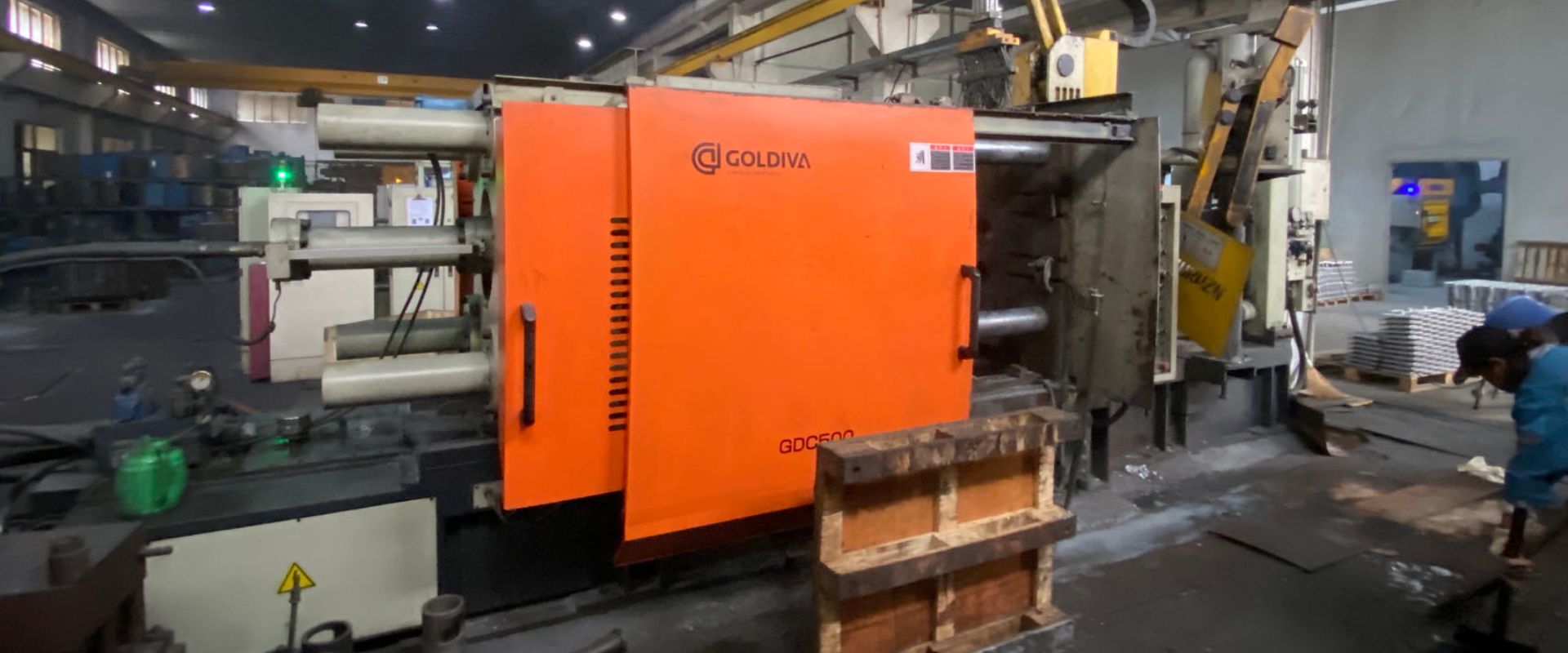
Factory or Process Image
Reserve space for a production, tooling, or inspection photo that visually supports the main topic.
Best as a wide industrial image
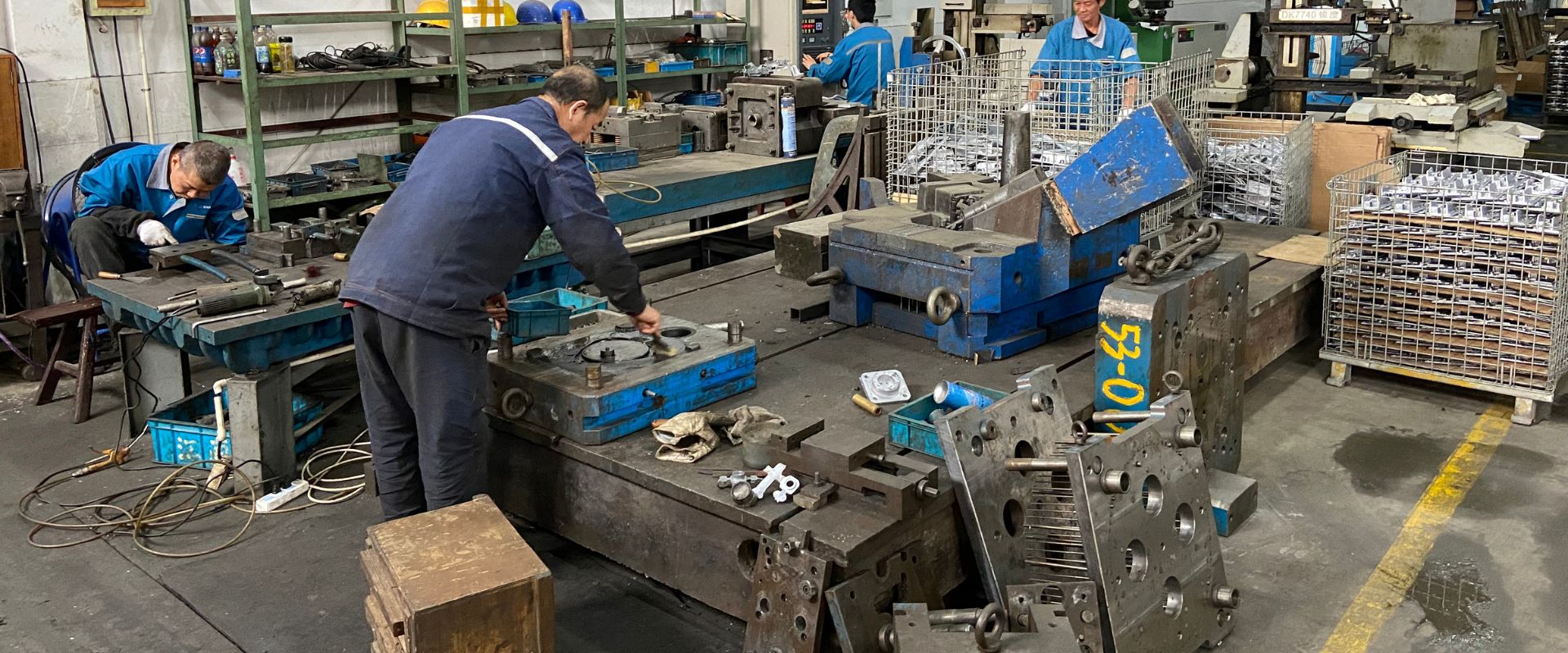
Component Detail Image
Use a close-up of a casting, surface finish, machined feature, or application component to add visual proof.
Best as a detail or macro shot
Types of Die Casting -A Complete Classification
Die casting is not a single process. There are six distinct types classified by the method used to fill the die, the pressure applied, and the alloys processed. Understanding the differences helps engineers and buyers select the right process for their application.
Classification by Pressure
1. High Pressure Die Casting (HPDC)
The dominant commercial die casting process globally. Molten metal is injected into a hardened steel die at pressures of 10-75 MPa using a hydraulic plunger system. Injection velocity at the gate is 10-100 m/s, filling the cavity in milliseconds.
- Best for: Aluminum, zinc, and magnesium alloys at volumes above 10,000 pieces/year
- Advantages: Fastest cycle time, thinnest walls, tightest tolerances
- Limitations: Gas porosity from turbulent fill; restricted heat treatment
2. Low Pressure Die Casting (LPDC)
Molten metal is pushed upward from a pressurized holding furnace into the die cavity at pressures of 0.03-1.1 MPa using pressurized gas (usually dry air or nitrogen). The slow, laminar fill minimizes turbulence and gas entrapment.
- Best for: Large aluminum parts requiring T6 heat treatment (automotive wheels, structural nodes)
- Advantages: Very low porosity; T6 heat treatment possible; good mechanical properties
- Limitations: Slower cycle time; higher equipment cost; limited to aluminum and some magnesium alloys
3. Gravity Die Casting (Permanent Mold Casting)
No pressure applied -metal fills the steel die under gravity. Also known as permanent mold casting or tilt casting.
- Best for: Medium volumes (500-10,000/year), parts requiring T6 treatment, thick-wall aluminum parts
- Advantages: Lowest porosity, cheapest tooling among die casting types, T6 possible
- Limitations: Slowest production rate; limited to walls >= mm; less dimensional precision
Classification by Injection System
4. Hot Chamber Die Casting
The injection system (gooseneck and plunger) is permanently submerged in the molten metal. At each cycle, metal is automatically drawn into the gooseneck and injected.
- Alloys: Zinc (Zamak 3, Zamak 5, ZA-8), tin, lead -low melting point metals only. Aluminum would corrode the submerged steel components.
- Advantages: Fully automated; fast cycle time (15-25 s); low metal oxidation
- Typical machine tonnage: 80T -400T
5. Cold Chamber Die Casting
The injection plunger is external to the furnace. Molten metal is ladled manually or automatically into a shot sleeve for each injection cycle.
- Alloys: Aluminum, magnesium, copper (any alloy that would corrode hot-chamber systems)
- Advantages: Suitable for high-temperature alloys; higher injection pressures achievable
- Typical machine tonnage: 160T -6,000T+
- Limitation: Slightly longer cycle time due to metal ladling step
Advanced Variants
6. Vacuum-Assisted Die Casting (VADC)
A vacuum is applied to the die cavity immediately before injection in a standard HPDC machine, evacuating air before the metal arrives. Reduces gas porosity by 60-70%.
- Best for: Hydraulic and pneumatic parts (pressure tightness required), parts subject to T6 heat treatment, safety-critical structural components
- KastMfg offers VADC on dedicated machines for qualifying programs
7. Squeeze Die Casting
Metal is injected at very low velocity and very high pressure (100-150 MPa final squeeze), combining features of forging and casting. Produces near-zero porosity.
- Best for: High-strength structural components; typically aluminum
- Limitation: Complex tooling; slower cycle time; specialized equipment
8. Semi-Solid Die Casting (Thixocasting / Rheocasting)
Metal is processed in a semi-solid state (30-40% solid fraction) rather than fully liquid. Reduces shrinkage and gas porosity significantly.
- Best for: Complex aluminum structural parts needing high mechanical properties
- Niche process: fewer suppliers; higher material and process cost
Summary Comparison Table
| Type | Pressure | Alloys | Min Wall | Porosity | Best Volume | Heat Treatment |
|---|---|---|---|---|---|---|
| HPDC (cold chamber) | 35-75 MPa | Al, Mg | 1.2 mm | Moderate | 10,000+ | Restricted |
| HPDC (hot chamber) | 7-15 MPa | Zn | 0.4 mm | Moderate | 10,000+ | Not needed |
| LPDC | 0.03-1.1 MPa | Al | 3 mm | Low | 5,000+ | Yes (T6) |
| Gravity | None | Al, some Mg | 3 mm | Very low | 500-10,000 | Yes (T6) |
| Vacuum HPDC | 35-75 MPa + vacuum | Al, Mg | 1.2 mm | Very low | 10,000+ | Yes (T6) |
| Squeeze | 100-150 MPa | Al | 2 mm | Near zero | 1,000+ | Yes |
Which Type Is Right for Your Part?
Choose HPDC if: high volume, thin walls, tight tolerances, and aluminum/zinc/magnesium alloy. Choose Vacuum HPDC if: HPDC geometry but pressure-tight or heat-treatable requirements. Choose LPDC if: large aluminum wheel or structural node requiring T6 treatment. Choose Gravity if: medium volume, thick-wall aluminum, T6 required, tooling budget is limited.
Not sure which process fits your part? Send your drawing to KastMfg for a free process recommendation.
KastMfg Manufacturing Co., Ltd. Email: yaoqingpu1983@gmail.com | Phone: +86 138 1403 4409 No.6, Rungu Road, Nanjing, China
Related Resources
Continue the research path
Cold Chamber Die Casting -Process, Parameters & Machine Selection | KastMfg
Cold chamber die casting explained: why aluminum requires cold chamber, the 8-step process sequence, key process parameters, machine tonnage selection, and comparison with hot chamber for zinc.
ToolingDie Casting Tooling
Connect process decisions back to gate design, thermal balance, and die maintenance planning.
CapabilityQuality Control
Review inspection workflow, traceability support, and process control standards before launch.
Process GuideDie Casting Process
See how casting, trimming, machining, finishing, and inspection fit together in production.
Need a Quote for Your Project?
Our engineering team is ready to review your requirements and provide competitive pricing with fast turnaround.
Request a Quote