Cold Chamber Die Casting -Process, Parameters & Machine Selection | KastMfg
Cold chamber die casting explained: why aluminum requires cold chamber, the 8-step process sequence, key process parameters, machine tonnage selection, and comparison with hot chamber for zinc.
Supporting Visuals
Supporting visuals for cold chamber die casting
These images are pulled from your current KastMfg asset library. Page-specific files automatically override shared fallback visuals when you add them later.
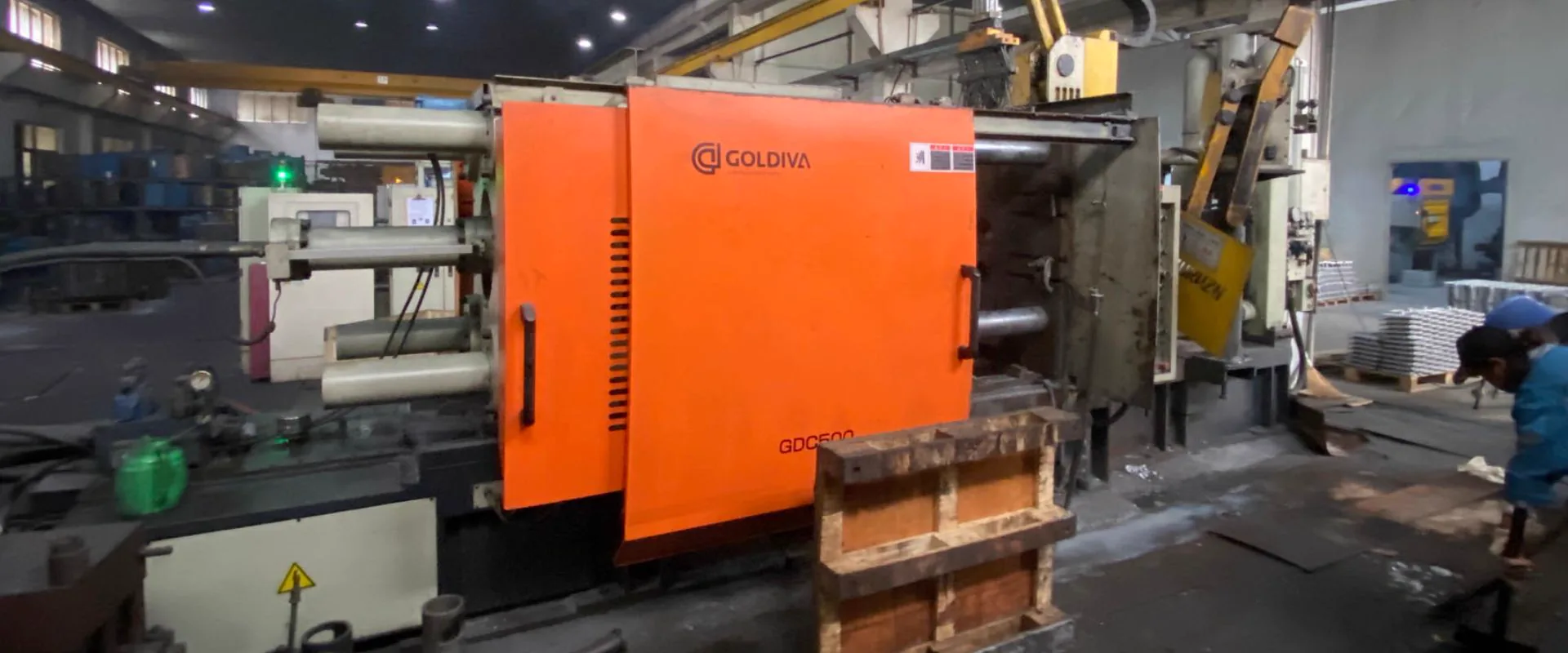
Factory or Process Image
Reserve space for a production, tooling, or inspection photo that visually supports the main topic.
Best as a wide industrial image
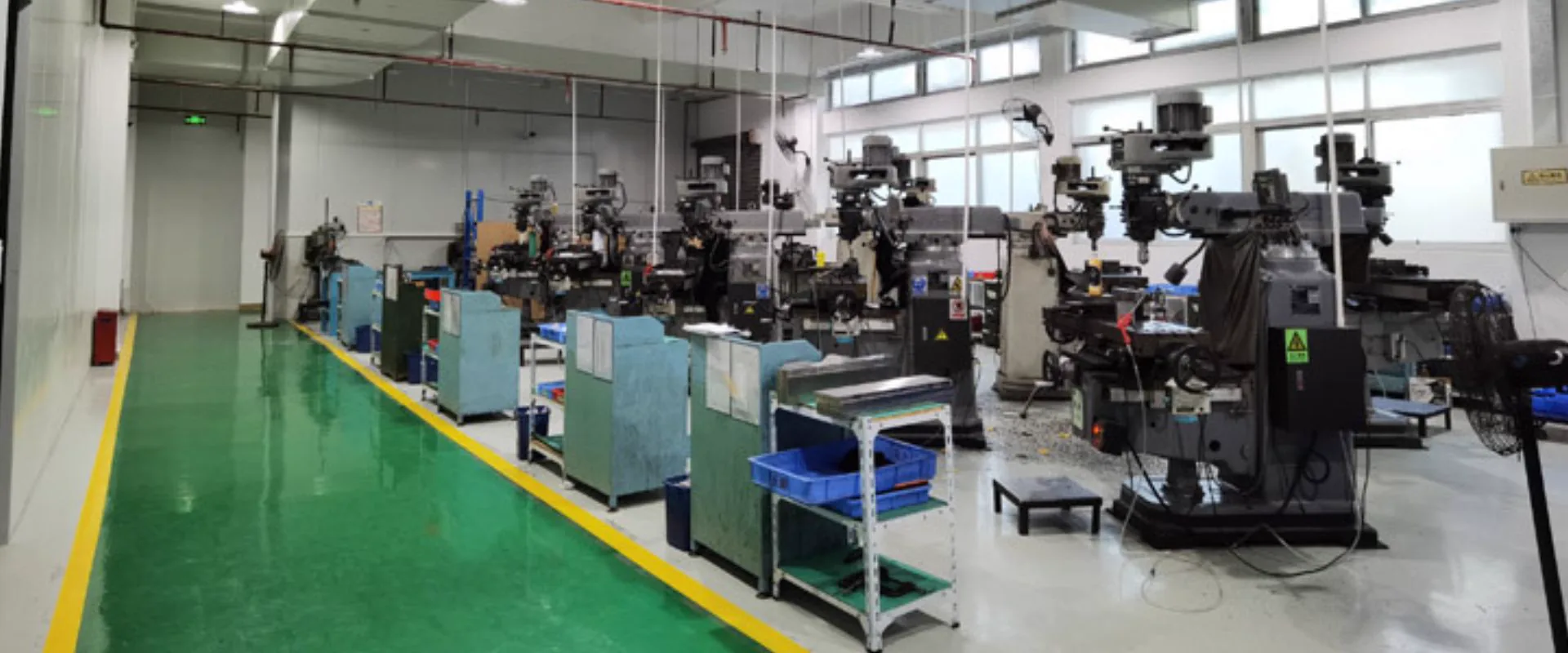
Component Detail Image
Use a close-up of a casting, surface finish, machined feature, or application component to add visual proof.
Best as a detail or macro shot
Cold chamber die casting is the standard process for aluminum, magnesium, and copper alloys. "Cold" refers to the injection cylinder being external to and separate from the molten metal holding furnace -not to any cooling of the metal.
Why Aluminum Requires Cold Chamber
Aluminum's casting temperature (620-700°C) is aggressive enough to dissolve iron from steel components in sustained contact with the melt. A hot-chamber injection system submerged in aluminum melt would dissolve within hours. Cold-chamber design solves this: the steel plunger contacts aluminum only during the brief injection stroke, limiting dissolution to an acceptable rate.
Zinc, by contrast, casts at 385-430°C -low enough that the hot-chamber gooseneck (permanently submerged) has a practical service life of years. This fundamental temperature difference is why zinc is hot-chamber and aluminum is cold-chamber.
Process Sequence (8 Steps)
- Die close and clamp: Moving platen advances; die halves close under full clamping force
- Metal ladle: Automated robot ladle (or manual) pours a controlled shot of molten alloy into the shot sleeve
- Slow shot: Plunger advances slowly (0.1-0.5 m/s) to fill the shot sleeve and push metal to the gate entrance without creating turbulence or splashing
- Fast shot: Plunger accelerates to final velocity (achieving 20-60 m/s at the gate), filling the die cavity in 50-100 milliseconds
- Intensification: Secondary hydraulic pressure (up to 175 MPa) is applied as the metal enters final solidification -pushing semi-solid metal into shrinking regions
- Dwell under pressure: Part solidifies under full intensification pressure (2-10 seconds depending on wall thickness and alloy)
- Die open and ejection: Moving platen retracts; ejector pins push the solidified casting from the cavity
- Die spray and reset: Die sprayed with release agent (robot-applied); shot sleeve cleaned; ready for next cycle
Key Process Parameters
| Parameter | Typical Range | Effect |
|---|---|---|
| Metal temperature | 620-700°C | Fluidity, die thermal load, die life |
| Slow shot velocity | 0.1-0.5 m/s | Shot sleeve fill without air entrainment |
| Fast shot velocity | 2- m/s plunger (20-60 m/s at gate) | Fill speed, turbulence, porosity |
| Peak injection pressure | 35-75 MPa | Cavity fill completeness |
| Intensification pressure | 70-75 MPa | Shrinkage porosity reduction |
| Die temp (cover half) | 180-240°C | Solidification rate, surface quality |
| Die temp (ejector half) | 180-240°C | Distortion prevention at ejection |
| Cycle time | 30-120 seconds | Wall thickness and weight dependent |
At KastMfg, all parameters are logged every shot by the machine control system. SPC charts monitor key parameters throughout production runs.
Machine Tonnage Selection
Required clamping force: F (tonnes) = Projected area (cm2) x Mean cavity pressure (MPa) / 100
Example: 500 cm2 projected area, 60 MPa mean cavity pressure ->300T minimum. Select next available machine: 400T.
| Machine | Max Projected Area (60 MPa) | Max Shot Weight |
|---|---|---|
| 160T | ~270 cm2 | 2.5 kg |
| 250T | ~415 cm2 | 4 kg |
| 400T | ~665 cm2 | 6 kg |
| 630T | ~1,050 cm2 | 10 kg |
| 800T | ~1,330 cm2 | 14 kg |
| 1,000T | ~1,650 cm2 | 20 kg |
| 1,600T | ~2,650 cm2 | 30 kg |
Cold Chamber vs Hot Chamber
| Cold Chamber | Hot Chamber | |
|---|---|---|
| Alloys | Aluminum, Magnesium, Copper | Zinc, Tin, Low-melting-point alloys |
| Why | Metal temp too high for submerged system | Low metal temp, fast cycling practical |
| Injection pressure | Up to 175 MPa | Up to 35 MPa |
| Cycle time | 30-120 s | 15-25 s |
| Metal oxidation | Moderate (ladle exposure) | Low (enclosed gooseneck) |
Alloy choice determines process choice. There is no overlap in commercial production.
Slow Shot -The Underappreciated Parameter
The slow shot phase is often overlooked in process optimization -operators and engineers focus on fast shot velocity and intensification. But incorrect slow shot is a primary cause of gas porosity.
Too fast slow shot: Metal splashes in the shot sleeve, creating turbulence and entraining air before the fast shot phase even begins. The fast shot then injects this pre-aerated metal into the cavity.
Too slow slow shot: Metal has time to start solidifying in the shot sleeve, creating a slug that the fast shot must push -cold metal in the flow front creates cold shuts.
Correct slow shot: Plunger advances at the rate that keeps the metal flowing steadily without splashing. The optimal velocity varies with shot sleeve diameter and fill ratio and is determined empirically on each program.
Cold chamber HPDC inquiry: yaoqingpu1983@gmail.com | +86 138 1403 4409
Related Resources
Next steps for cold chamber die casting
Hot Chamber Die Casting -Process, Parameters & Zinc Alloys | KastMfg
Hot chamber die casting explained: why zinc uses submerged injection, the 6-step process, key parameters, machine selection, cycle time economics, and comparison with cold chamber aluminum.
ToolingDie Casting Tooling
Connect process decisions back to gate design, thermal balance, and die maintenance planning.
CapabilityQuality Control
Review inspection workflow, traceability support, and process control standards before launch.
Process GuideDie Casting Process
See how casting, trimming, machining, finishing, and inspection fit together in production.
Need a Quote for Your Project?
Our engineering team is ready to review your requirements and provide competitive pricing with fast turnaround.
Request a Quote