Hot Chamber Die Casting -Process, Parameters & Zinc Alloys | KastMfg
Hot chamber die casting explained: why zinc uses submerged injection, the 6-step process, key parameters, machine selection, cycle time economics, and comparison with cold chamber aluminum.
Supporting Visuals
Supporting visuals for hot chamber die casting
These images are pulled from your current KastMfg asset library. Page-specific files automatically override shared fallback visuals when you add them later.
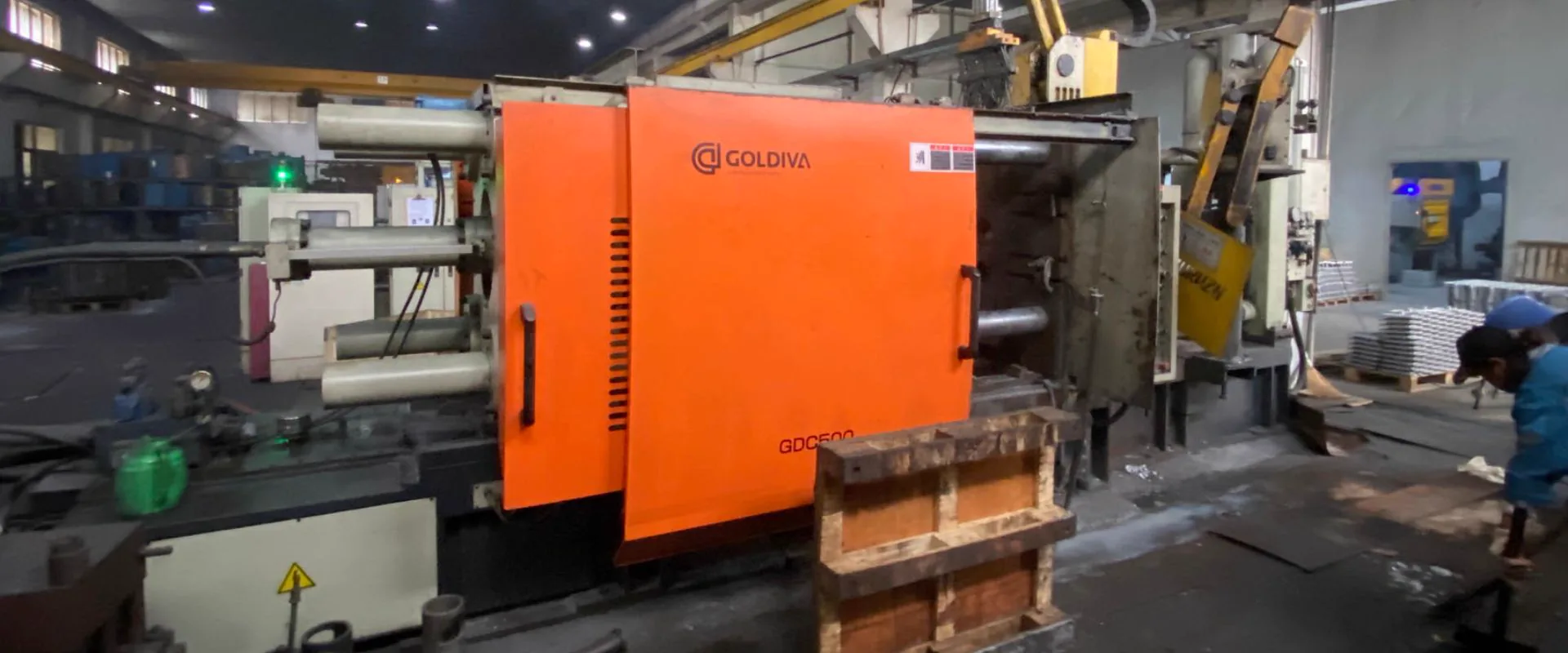
Factory or Process Image
Reserve space for a production, tooling, or inspection photo that visually supports the main topic.
Best as a wide industrial image
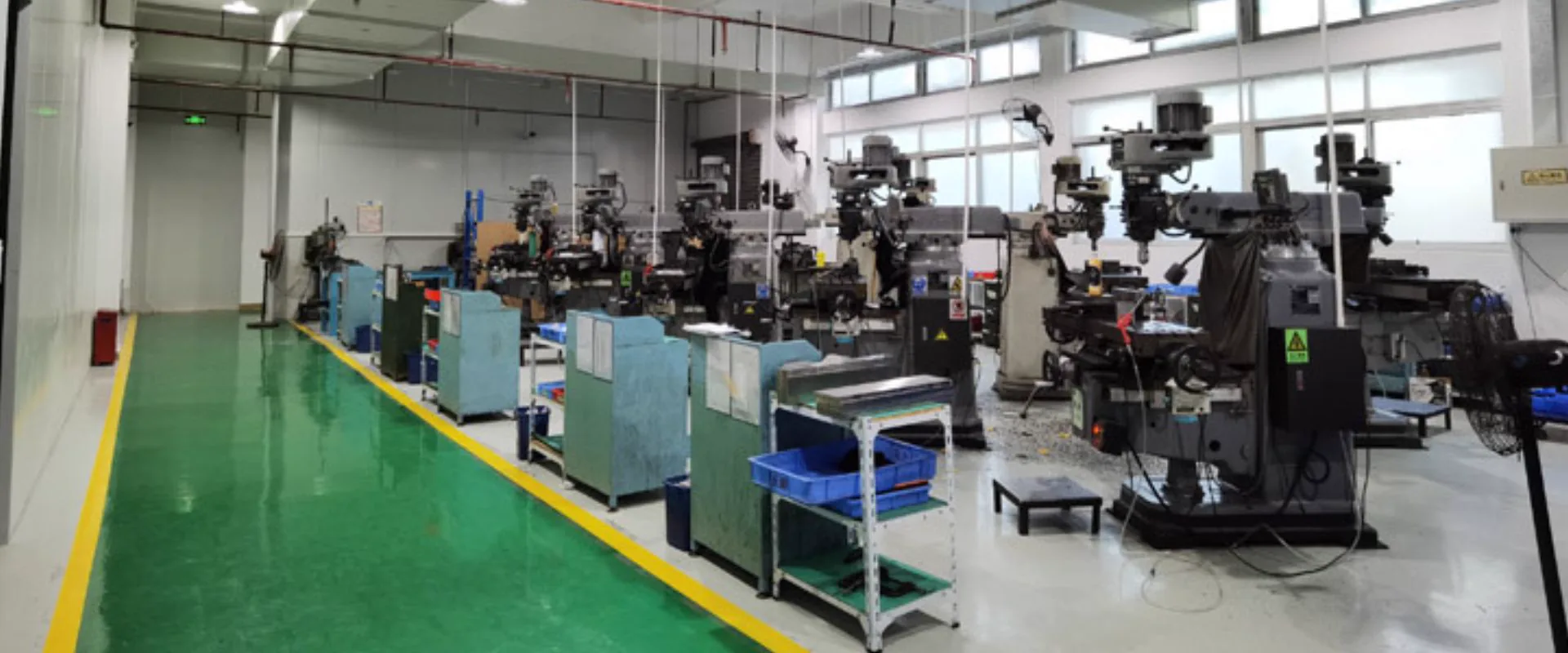
Component Detail Image
Use a close-up of a casting, surface finish, machined feature, or application component to add visual proof.
Best as a detail or macro shot
Hot chamber die casting is the standard process for zinc, tin, and other low-melting-point alloys. The defining characteristic is a permanently submerged injection system -the gooseneck and plunger sit inside the molten metal holding pot at all times, enabling fully automated injection without the ladle transfer step required in cold-chamber machines.
For zinc alloys (Zamak 3, Zamak 5, ZA-8), the hot-chamber process delivers faster cycle times, better metal cleanliness, and longer die life than cold-chamber alternatives -making it the dominant process for high-volume zinc die casting worldwide.
Why Zinc Uses Hot Chamber
The fundamental reason is temperature. Zinc casting alloys melt and inject at 385-430°C. At this temperature, H13 tool steel maintains its properties indefinitely -a permanently submerged gooseneck in zinc melt survives for years of continuous production.
Aluminum melts at 620-700°C. At this temperature, the iron in a submerged steel gooseneck dissolves into the aluminum melt within hours, creating iron-aluminum intermetallic contamination and destroying the injection system. Cold-chamber design solves this by using the injection plunger for the brief injection stroke only.
This temperature boundary -roughly 500°C -is the practical dividing line between hot-chamber and cold-chamber metals.
Process Sequence (6 Steps)
-
Die close and clamp: Moving platen advances; die halves close under full clamping force
-
Gooseneck fill: The plunger retracts, opening the inlet port. Molten zinc from the pot flows under gravity into the gooseneck cylinder, filling it for the next shot. The inlet port closes as the plunger begins its stroke.
-
Injection: Plunger advances, pushing molten zinc through the gooseneck, nozzle, sprue, runner, and gate into the die cavity. Fill time: 15-20 milliseconds depending on part size and gate velocity.
-
Solidification under pressure: Metal solidifies under plunger pressure (up to 35 MPa). Thinner sections solidify in <1 second; thicker sections may take 2-5 seconds.
-
Die open and ejection: Plunger retracts; die opens; ejector pins push the casting from the cavity.
-
Die spray and reset: Robot or manual spray of release agent on cavity faces. Return to step 1 -total cycle: 15-25 seconds.
Why Hot Chamber Cycle Times Are Faster Than Cold Chamber
Cold chamber requires: ladle melt from furnace ->pour into shot sleeve ->allow metal to partially solidify for slow shot ->inject. The ladle cycle alone adds 5-10 seconds.
Hot chamber eliminates the ladle entirely. The gooseneck refills automatically during the die spray phase -there is no extra time penalty for metal delivery. The result: 15-25 second cycles for small zinc parts vs 45-50 seconds for equivalent aluminum cold-chamber cycles.
At 2 million pieces/year on a 3-cavity die, the cycle time difference represents hundreds of additional production hours per year -directly reducing unit cost.
Key Process Parameters
| Parameter | Typical Range | Effect |
|---|---|---|
| Metal temperature | 400-430°C | Fluidity, die thermal load, oxide formation |
| Injection pressure | 7-35 MPa | Cavity fill, surface detail reproduction |
| Gate velocity | 30-60 m/s | Fill speed, surface quality, gate erosion |
| Die temperature (cover) | 150-200°C | Solidification rate, surface finish |
| Die temperature (ejector) | 150-200°C | Ejection behavior, distortion |
| Plunger velocity | 0.5-1.5 m/s | Fill rate, gate velocity calculation |
| Cycle time | 15-25 seconds | Size and complexity dependent |
KastMfg logs injection pressure, plunger velocity, and cycle time every shot on all hot-chamber machines. Deviations from control limits trigger automatic hold.
Machine Selection for Zinc
Machine size is determined by projected area and clamping force requirement:
Required clamping force (tonnes) = Projected area (cm2) x Mean cavity pressure (MPa) / 100
For zinc, mean cavity pressure is typically 8-15 MPa (lower than aluminum's 40-50 MPa due to lower injection pressures):
| Machine | Max Projected Area | Max Shot Weight |
|---|---|---|
| 80T | ~530 cm2 (at 15 MPa) | 0.5 kg |
| 160T | ~1,070 cm2 | 1.2 kg |
| 250T | ~1,670 cm2 | 2.0 kg |
| 400T | ~2,670 cm2 | 3.5 kg |
Most zinc hardware -padlocks, door handles, connector housings -fits within 160T or 250T machines. Only large architectural or automotive trim components require 400T hot-chamber machines.
Die Life in Hot Chamber -Why Zinc Dies Last So Long
The hot-chamber die life advantage over cold-chamber is among the most commercially significant facts in die casting economics:
| Alloy | Process | Typical Die Life |
|---|---|---|
| Zinc (Zamak 3/5) | Hot chamber | 300,000-1,000,000+ shots |
| Aluminum (A380) | Cold chamber | 80,000-150,000 shots |
| Magnesium (AZ91D) | Hot chamber | 100,000-200,000 shots |
The reason: zinc's casting temperature (385-430°C) is 200-270°C lower than aluminum's (620-700°C). H13 tool steel's resistance to thermal fatigue cracking increases dramatically at lower temperatures. Each injection cycle creates a thermal cycle in the die steel -the cumulative damage from 300,000 zinc cycles is far lower than from 100,000 aluminum cycles at equivalent strain.
At 2 million pieces/year on a 3-cavity die, a zinc die achieving 900,000 shots needs replacement every ~4.5 months per cavity -while an aluminum die at 80,000 shots on an equivalent 3-cavity tool would need replacement every ~1.5 months. The tooling cost per part over a 5-year program differs by a factor of 3-.
Hot Chamber Alloy Compatibility
| Alloy | Hot Chamber Compatible? | Note |
|---|---|---|
| Zamak 3 | Yes | Standard -low temperature, fast cycle |
| Zamak 5 | Yes | Standard -same process as Zamak 3 |
| ZA-8 | Yes(at limit) | Higher Al raises temp; dedicated machines |
| ZA-12 | Yes | Aluminum too high -gooseneck erosion |
| Aluminum A380 | Yes | Temperature destroys gooseneck |
| Magnesium AZ91D | Yes | Special machines with SF6/CO2protection |
| Lead/tin alloys | Yes | Very low temperature -specialty applications |
Surface Quality Advantages of Hot Chamber
Hot-chamber injection produces smoother as-cast surfaces than cold-chamber aluminum for three reasons:
- Lower gate velocity: 30-60 m/s vs 40-50 m/s for aluminum -less turbulence at the gate, smoother fill front
- Lower metal temperature: Less thermal shock to the die surface, less micro-cracking of the die skin
- Finer zinc microstructure: Zinc's lower melting point and rapid solidification produce a finer grain size than aluminum -a finer grain reflects light more uniformly
The result: Ra 0.8-1.6 μm as-cast for zinc vs Ra 1.6-2.2 μm for aluminum. This smoother surface is why zinc is the standard substrate for decorative electroplating -less pre-plating polishing required, more consistent plating quality.
Metal Contamination -The Hot Chamber Risk
Because the gooseneck is permanently submerged, any contamination that enters the melt pot circulates continuously. Hot-chamber die casting is sensitive to:
Impurity contamination: Lead (Pb), cadmium (Cd), and tin (Sn) above the threshold limits for Zamak (Pb >0.005%, Cd >0.004%, Sn >0.003%) cause inter-granular corrosion (zinc pest) in the solidified casting. These elements cannot be removed once they are in the melt. Contaminated zinc must be scrapped entirely.
KastMfg's control: SHG zinc ingot only (99.99% minimum purity), OES spectrometer verification on every melt before casting begins. Incoming ingot is quarantined until chemistry is confirmed.
Cross-contamination between alloys: A pot that has run Zamak 5 cannot be directly switched to Zamak 3 -the residual copper from Zamak 5 will bring Zamak 3 above its 0.10% copper limit. KastMfg maintains dedicated furnaces per alloy to prevent cross-contamination.
Frequently Asked Questions
Can hot chamber machines run aluminum?
No. Aluminum's casting temperature (~660°C) dissolves iron from the steel gooseneck, creating iron-aluminum intermetallics in the melt that contaminate every subsequent casting. Cold-chamber machines -where the plunger contacts the melt only during the injection stroke -are mandatory for aluminum.
What is the smallest and largest part that can be made in hot chamber?
KastMfg's smallest hot-chamber zinc parts: ~1 gram (small connector terminals and mechanism components). Largest: ~2- kg for large architectural hardware and automotive trim using 400T machines. Above ~3 kg in zinc, the hot-chamber economics begin to decline and cold-chamber alternatives become competitive.
How does hot chamber achieve better surface finish than cold chamber?
Three factors: lower gate velocity (less turbulence at the fill front), lower metal temperature (less die surface thermal shock), and zinc's finer solidification microstructure at its lower freezing point. The combined effect produces Ra 0.8-1.6 μm as-cast versus Ra 1.6-2.2 μm for aluminum cold chamber.
Hot chamber zinc die casting inquiry: yaoqingpu1983@gmail.com | +86 138 1403 4409 | No.6, Rungu Road, Nanjing, China
Related Resources
Next steps for hot chamber die casting
Cold Chamber Die Casting -Process, Parameters & Machine Selection | KastMfg
Cold chamber die casting explained: why aluminum requires cold chamber, the 8-step process sequence, key process parameters, machine tonnage selection, and comparison with hot chamber for zinc.
ToolingDie Casting Tooling
Connect process decisions back to gate design, thermal balance, and die maintenance planning.
CapabilityQuality Control
Review inspection workflow, traceability support, and process control standards before launch.
Process GuideDie Casting Process
See how casting, trimming, machining, finishing, and inspection fit together in production.
Need a Quote for Your Project?
Our engineering team is ready to review your requirements and provide competitive pricing with fast turnaround.
Request a Quote