The Die Casting Process -Step-by-Step Guide with Parameters
Detailed guide to the die casting process: injection parameters, cold vs hot chamber, process variables, cycle time, and quality control. Technical reference for engineers.
Supporting Visuals
Production images for this page
These images are pulled from your current KastMfg asset library. Page-specific files automatically override shared fallback visuals when you add them later.
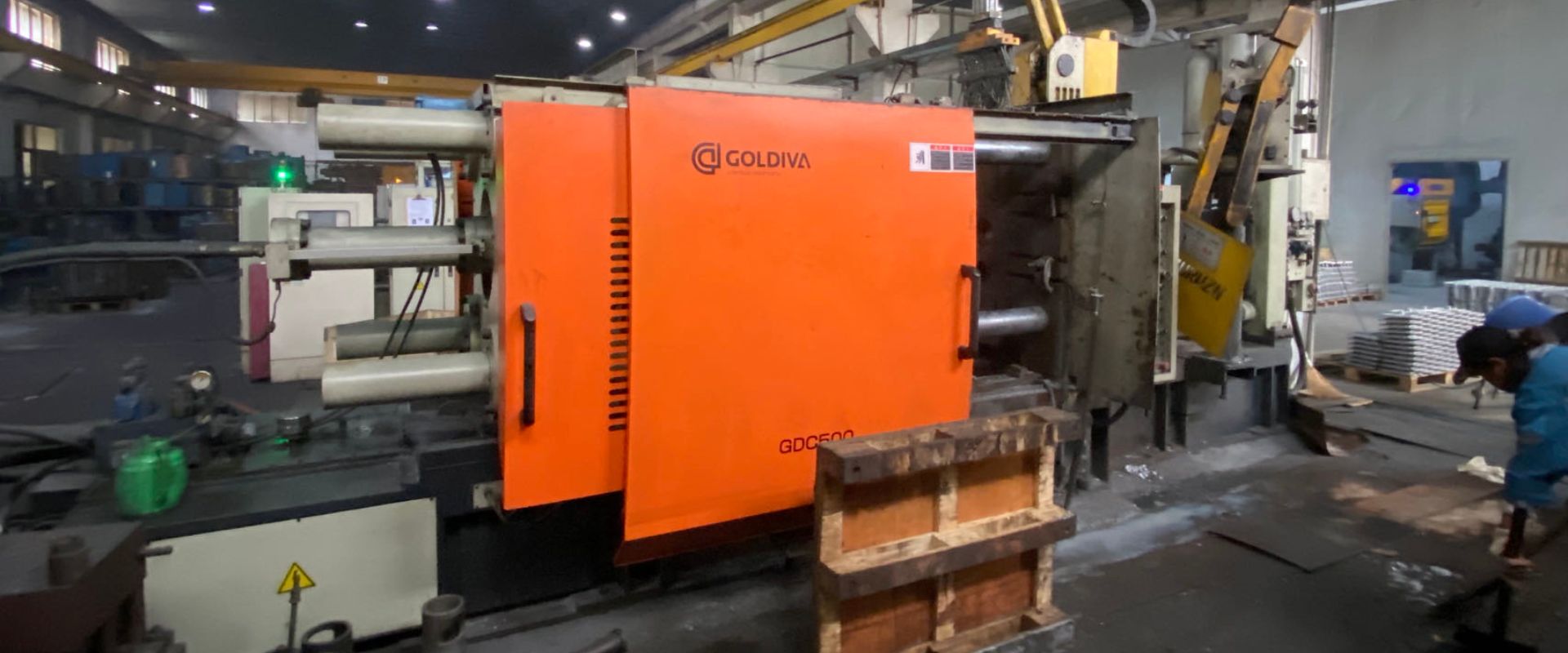
Factory or Process Image
Reserve space for a production, tooling, or inspection photo that visually supports the main topic.
Best as a wide industrial image
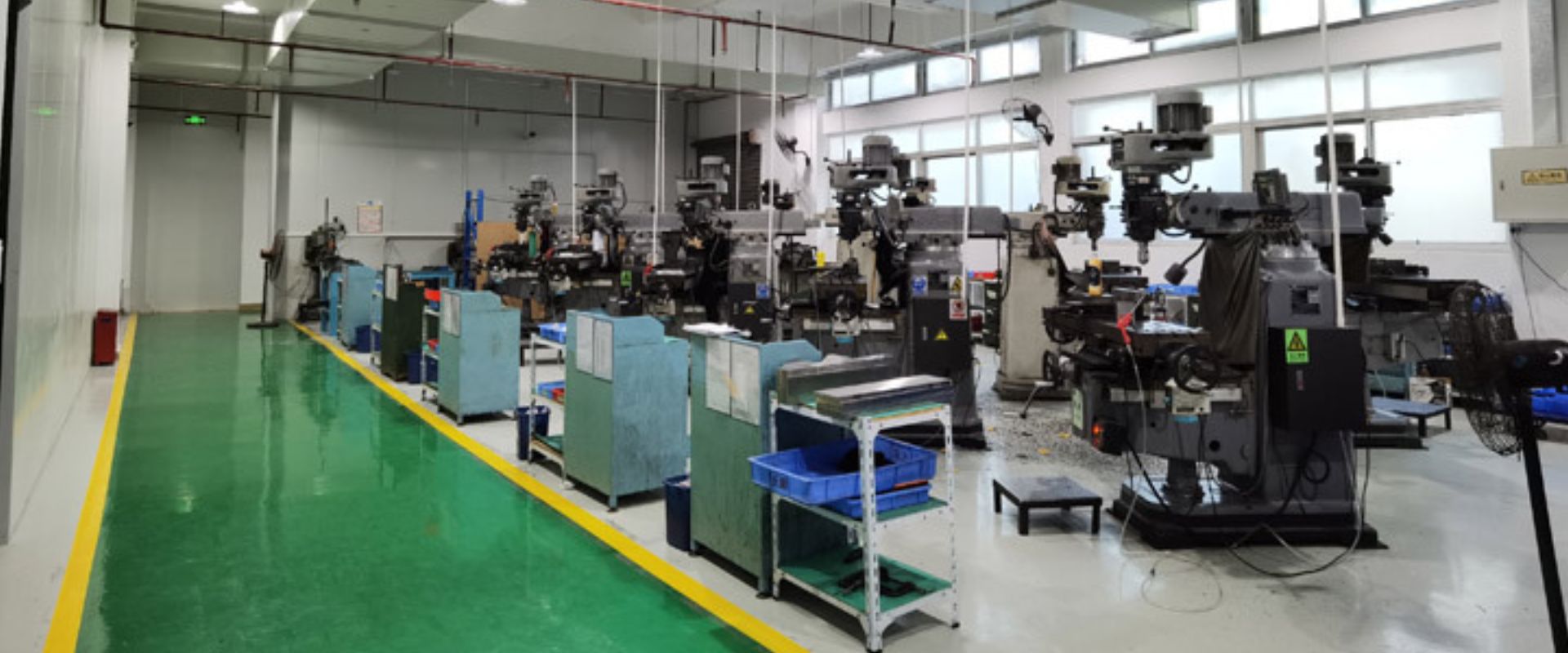
Component Detail Image
Use a close-up of a casting, surface finish, machined feature, or application component to add visual proof.
Best as a detail or macro shot
The Die Casting Process -Technical Guide for Engineers and Buyers
The die casting process is a cyclic, high-pressure metal forming method that produces near-net-shape components from non-ferrous alloys. This guide covers the complete process in technical detail -from melt preparation through final inspection -with the process parameters that determine part quality.
Process Overview
Each die casting cycle consists of six repeating phases:
- Die close and clamp -Die halves close under hydraulic pressure equal to or greater than the injection force
- Metal injection -Molten alloy injected into the cavity at controlled velocity
- Intensification -Secondary pressure applied after cavity fills to suppress porosity
- Solidification -Part cools under pressure until mechanically stable
- Die open and ejection -Ejector pins push solidified part from cavity
- Lubrication and reset -Die sprayed with release agent before next cycle
Total cycle time ranges from 15 seconds (small zinc parts) to 3- minutes (large aluminum structural components).
Cold Chamber vs Hot Chamber Process
Cold Chamber Die Casting
Used for aluminum and magnesium alloys. The injection system is outside the melt furnace. Each cycle requires manually ladling or auto-ladling metal into the shot sleeve before injection.
Key parameters:
| Parameter | Typical Range |
|---|---|
| Injection pressure | 35-75 MPa |
| Gate velocity | 20-30 m/s |
| Metal temperature | 620-700°C (aluminum) |
| Die temperature | 180-260°C |
| Cycle time | 30-120 s |
Hot Chamber Die Casting
Used for zinc alloys. The injection gooseneck is permanently submerged in the melt. Metal is automatically drawn and injected each cycle -faster and more consistent than cold chamber.
Key parameters:
| Parameter | Typical Range |
|---|---|
| Injection pressure | 7-15 MPa |
| Gate velocity | 30-40 m/s |
| Metal temperature | 400-430°C (Zamak) |
| Die temperature | 150-220°C |
| Cycle time | 15-25 s |
Critical Process Parameters and Their Effect on Quality
| Parameter | Too Low | Too High | Optimal Effect |
|---|---|---|---|
| Injection velocity | Cold shuts, misruns | Turbulence, porosity | Complete fill, minimal gas entrapment |
| Metal temperature | Cold shuts, poor fill | Die soldering, porosity | Good fluidity without alloy degradation |
| Die temperature | Premature solidification, cold shuts | Soldering, long cycle | Balanced fill and solidification |
| Intensification pressure | Shrinkage porosity | Flash, die damage | Dense, pore-minimized structure |
| Clamping force | Flash at parting line | - | Tight die seal, no flash |
Melt Preparation and Alloy Control
Alloy quality directly determines casting soundness. KastMfg's melt preparation procedure includes:
- Chemistry verification -spectrometer analysis of each melt before casting
- Degassing -rotary degassing with nitrogen or argon to reduce dissolved hydrogen
- Temperature control -thermocouple monitoring, holding at ±10°C of target
- Slag removal -skimming before each ladle
Vacuum-Assisted Die Casting (VADC)
For pressure-critical parts (hydraulic manifolds, sealed enclosures), KastMfg offers vacuum-assisted die casting. A vacuum system evacuates the die cavity immediately before injection, reducing trapped gas by 60-70%. Parts produced with VADC can be T6 heat treated without blistering and reliably pass pressure leak tests.
Process Control and Monitoring
Every shot at KastMfg is monitored and logged:
- Injection velocity profile (slow shot + fast shot)
- Peak injection pressure and intensification pressure
- Die surface temperature (pyrometer, thermocouple)
- Cycle time
Statistical Process Control (SPC) charts are maintained for all critical process parameters and critical dimensions. Alarms trigger when parameters drift outside control limits.
From Process to Part -What Determines Final Quality
The die casting process determines:
- Dimensional accuracy -function of die precision, thermal expansion, and process stability
- Internal soundness -function of injection velocity, pressure, and melt quality
- Surface finish -function of die surface quality, lubrication, and fill conditions
- Mechanical properties -function of alloy, solidification rate, and heat treatment
KastMfg Manufacturing Co., Ltd. Email: yaoqingpu1983@gmail.com | Phone: +86 138 1403 4409 No.6, Rungu Road, Nanjing, China
Related Resources
Continue the research path
Types of Die Casting -HPDC, LPDC, Gravity, Hot & Cold Chamber Explained
Complete overview of all die casting types: high pressure, low pressure, gravity, hot chamber, cold chamber, vacuum, and squeeze die casting -with comparisons and best applications.
ToolingDie Casting Tooling
Connect process decisions back to gate design, thermal balance, and die maintenance planning.
CapabilityQuality Control
Review inspection workflow, traceability support, and process control standards before launch.
Process GuideDie Casting Process
See how casting, trimming, machining, finishing, and inspection fit together in production.
Need a Quote for Your Project?
Our engineering team is ready to review your requirements and provide competitive pricing with fast turnaround.
Request a Quote