Case Study: Zinc Padlock Body -1.2M Shots, Zero Zinc Pest | KastMfg
How KastMfg eliminated 3.2% plating rejection on Zamak 5 padlock bodies by switching to SHG zinc ingot with spectrometer-verified purity and redesigning gate velocity -achieving 1.2M shot die life.
Supporting Visuals
Production images for this page
These images are pulled from your current KastMfg asset library. Page-specific files automatically override shared fallback visuals when you add them later.
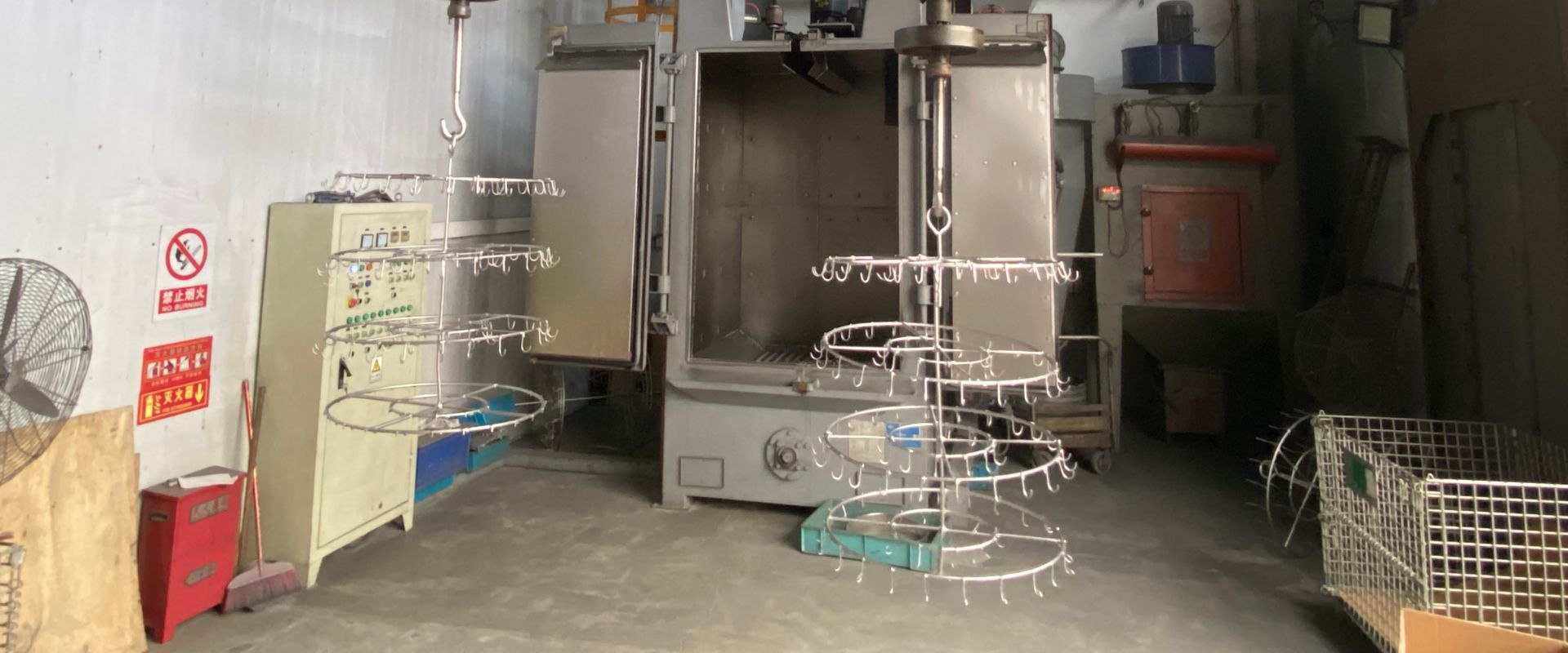
Finished Component Photo
Reserve one strong product image that shows the finished casting or machined component used in the case study.
Best as a hero component image
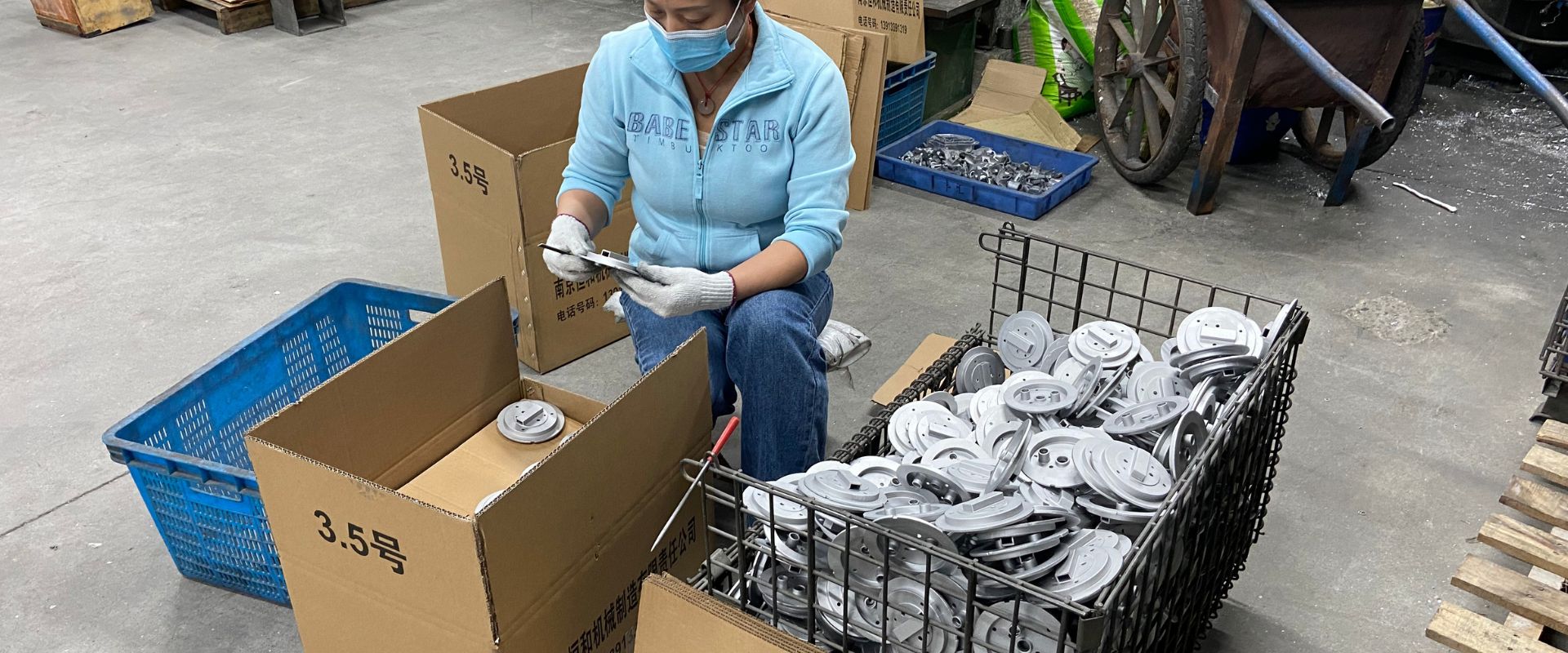
Process or Inspection Photo
Use a production, leak-test, machining, or inspection image that proves how the project was executed.
Best as an in-process factory photo
Case Study: Zamak 5 Padlock Body -1.2M Shot Die Life, Zero Plating Rejection
Customer: Security hardware manufacturer, Taiwan Program: Padlock body, inner and outer components Annual volume: 2.4 million pieces/year (3-cavity die) Material: Zamak 5 zinc alloy Surface: Decorative chrome (electroplated by customer) Requirements: Zero plating rejection from casting defects; die life >=00,000 shots/cavity
The Challenge
Previous Chinese supplier had a 3.2% plating rejection rate -zinc pest-like blistering appearing after plating. Customer's plating partner confirmed blisters originated in the casting substrate. Cause: impurity-contaminated zinc ingot causing inter-granular corrosion, visible under chrome/nickel plating after exposure to plating bath chemistry.
Additionally, previous supplier's dies required major refurbishment at 400,000 shots -half the required service life. Gate erosion was the primary failure mode.
Solution
SHG Zinc with Spectrometer Verification Every Melt
KastMfg uses only Special High Grade (SHG) zinc at 99.99% minimum purity. Every production melt is verified by OES spectrometer: Pb >=.005%, Cd >=.004%, Sn >=.003% -the critical purity limits below which zinc pest does not occur.
Previous supplier was using 99.95% commercial zinc with Pb averaging 0.012% -2.4x above the limit. KastMfg provided spectrometer certificates for all 14 production melts in year one.
Result: zero zinc pest-related plating rejections in 2.4 million pieces.
Gate Redesign: Reduced Velocity
Previous die: gates sized for maximum fill speed (52 m/s), sacrificing gate longevity. KastMfg redesigned gate geometry to maintain fill quality at 38 m/s -below zinc's soldering threshold, complete fill in 22 ms.
Die life: First die set reached 1,200,000 shots before scheduled gate insert replacement. Overall maintenance in 1.2M shots: two ejector pin replacements, one parting line refinish.
As-Cast Surface Quality
As-cast surface Ra on visible faces: 0.9-1.3 μm. No vibratory polishing required before plating -eliminating one pre-plating step and its cost.
Results
| Metric | Previous supplier | KastMfg |
|---|---|---|
| Plating rejection rate | 3.2% | 0.08% |
| Die life before major refurbishment | 400,000 shots | 1,200,000 shots |
| Melt spectrometer records | Not provided | Every melt, archived 3 years |
| As-cast Ra (visible faces) | 1.4-2.1 μm | 0.9-1.3 μm |
| Zinc pest incidents in 24 months | Multiple field returns | Zero |
Contact KastMfg: yaoqingpu1983@gmail.com | +86 138 1403 4409 | No.6, Rungu Road, Nanjing, China
Related Resources
Continue the research path
Case Study: LED Streetlight Housing -Thermal & Coastal Durability | KastMfg
How KastMfg solved a 150W LED streetlight housing failing 800-hour salt spray -switching to A360 alloy, e-coat primer, and fin geometry revision to achieve 1,200+ hour salt spray and 6°C thermal improvement.
CapabilityQuality Control
Review inspection workflow, traceability support, and process control standards before launch.
Process GuideDie Casting Process
See how casting, trimming, machining, finishing, and inspection fit together in production.
Next StepRequest a Quote
Send your drawing package and target volume to get an engineering-backed quotation.
Need a Quote for Your Project?
Our engineering team is ready to review your requirements and provide competitive pricing with fast turnaround.
Request a Quote