Low Pressure Die Casting (LPDC) - Process & Applications
Low pressure die casting (LPDC) explained: upward metal fill, low porosity, T6-capable aluminum castings, comparison to HPDC and gravity casting, and when KastMfg uses LPDC for structural parts.
Supporting Visuals
Supporting visuals for low pressure die casting
These images are pulled from your current KastMfg asset library. Page-specific files automatically override shared fallback visuals when you add them later.
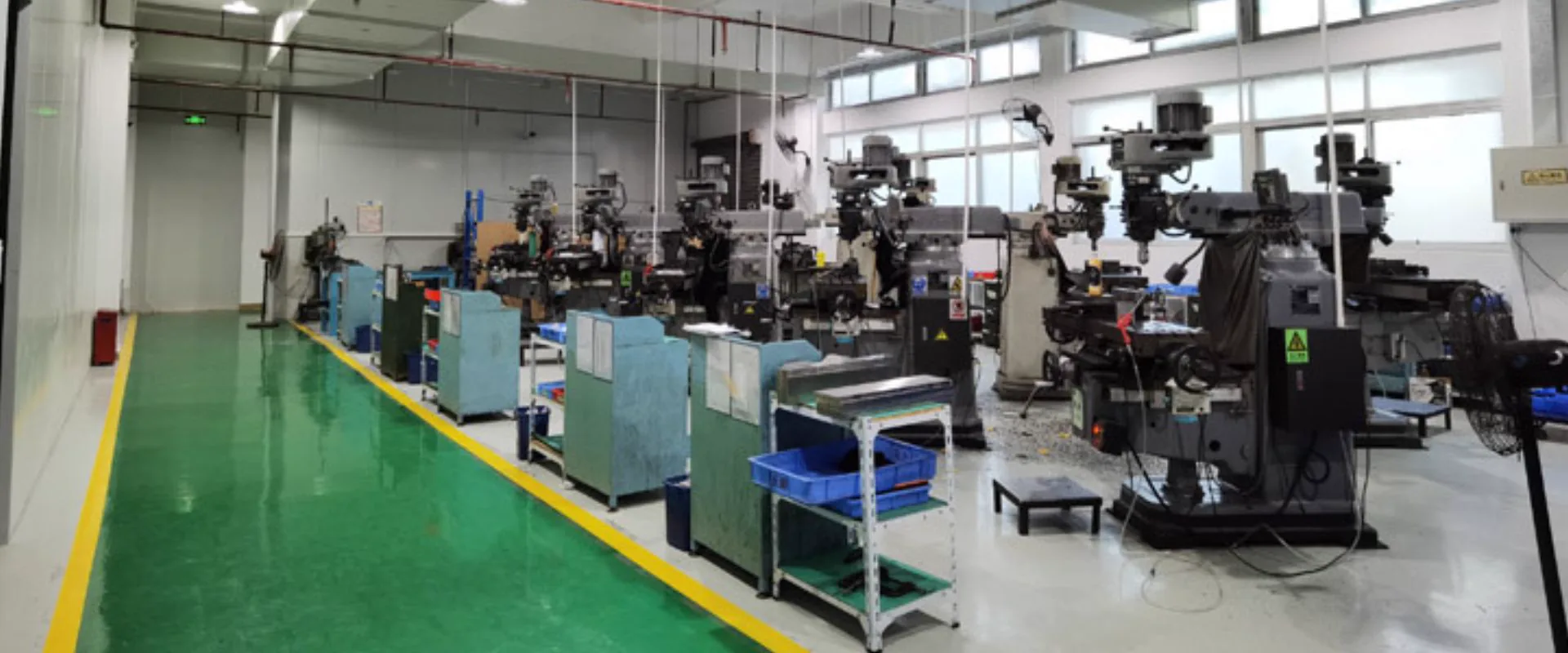
Factory or Process Image
Reserve space for a production, tooling, or inspection photo that visually supports the main topic.
Best as a wide industrial image
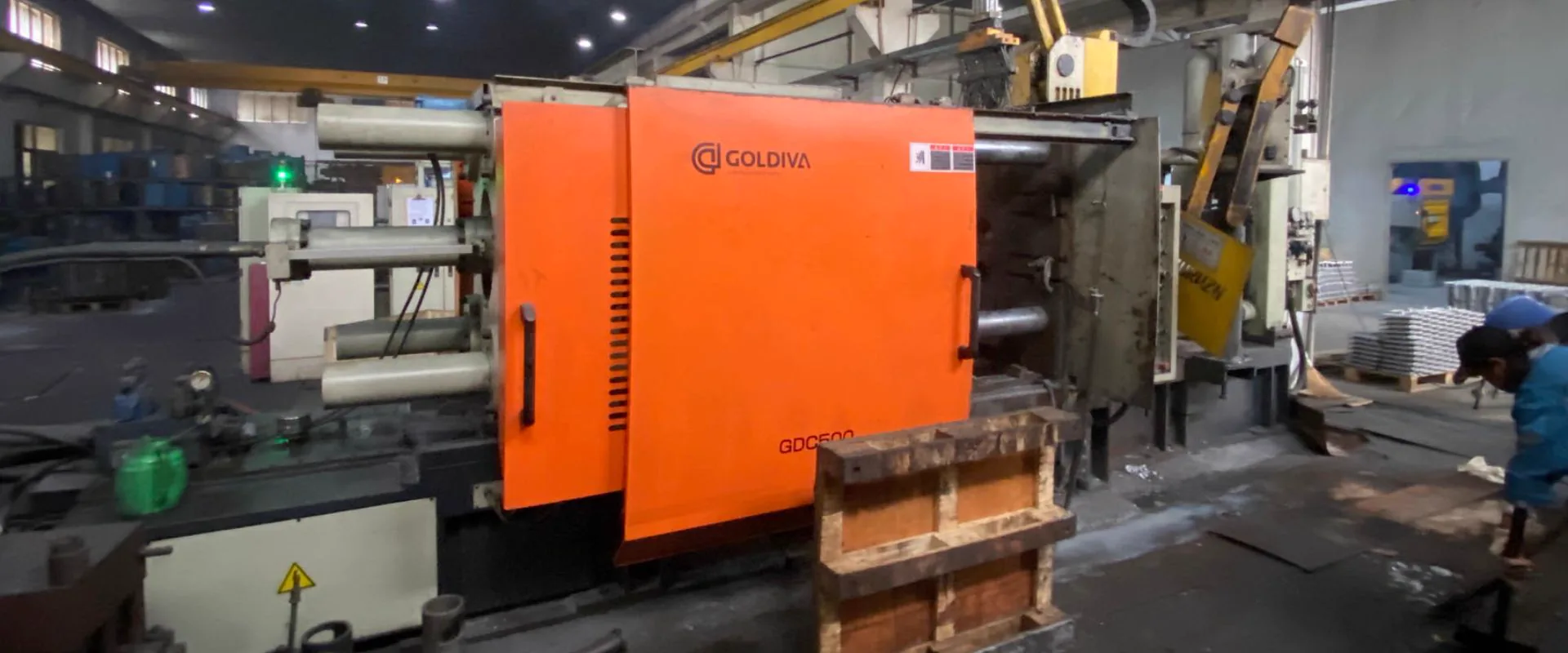
Component Detail Image
Use a close-up of a casting, surface finish, machined feature, or application component to add visual proof.
Best as a detail or macro shot
Low pressure die casting (LPDC) fills a permanent steel die from below. Molten metal sits in a furnace under controlled gas pressure (typically 0.03–0.1 MPa). Pressure pushes metal up a riser tube into the cavity in a slow, laminar flow — unlike high-pressure die casting, where metal is injected at very high velocity.
LPDC is chosen when low porosity and T6 heat treatment matter more than the thinnest walls or the fastest cycle times.
How LPDC Works
- Die close — The die is mounted above the holding furnace; the riser tube connects the furnace to the gate at the bottom of the cavity.
- Pressurized fill — Dry air or nitrogen raises furnace pressure; metal rises through the tube and fills the cavity from the lowest point upward.
- Solidification under pressure — Pressure is maintained while the casting solidifies, feeding shrinkage in thick sections.
- Pressure release and eject — Furnace pressure drops; metal in the tube solidifies as a stalk; the die opens and the casting is removed.
- Trim and finish — Gate, riser, and stalk are removed; CNC machining and heat treatment follow as required.
Because fill is gentle, there is little turbulence and minimal air entrapment compared with standard HPDC.
LPDC vs High Pressure Die Casting (HPDC)
| Parameter | LPDC | HPDC (cold chamber) |
|---|---|---|
| Fill mechanism | Bottom fill, low pressure | Horizontal injection, high velocity |
| Typical gate velocity | Low, laminar | 20–60 m/s at gate |
| Gas porosity | Very low | Higher unless VADC used |
| T6 heat treatment | Routinely feasible | Restricted on standard HPDC; VADC improves |
| Minimum wall (aluminum) | ~3–4 mm typical | ~1.2 mm achievable |
| Cycle time | Slower (minutes) | Faster (30–120 s) |
| Tooling cost | Higher than gravity, lower than complex multi-slide HPDC | Moderate to high |
| Best volumes | Medium to high | High volume |
For a full comparison of all casting types, see types of die casting.
LPDC vs Gravity Die Casting
Both processes can produce low-porosity aluminum suitable for T6 treatment. Differences:
| LPDC | Gravity die casting | |
|---|---|---|
| Fill control | Pressurized, repeatable | Pour or tilt under gravity |
| Feeding pressure | Maintained during solidification | Risers and gravity head only |
| Automation | Highly automated production cells | Often semi-automatic |
| Typical parts | Wheels, structural nodes, discs | Manifolds, covers, thick-wall housings |
Alloys and Mechanical Properties
LPDC is used primarily for aluminum (A356, A319, A413) and some magnesium programs. Typical goals:
- T6 heat treatment after casting — solution treat, quench, age
- Tensile strength gains of roughly 35–45% over as-cast in heat-treatable alloys
- Pressure-tight or fatigue-sensitive sections without impregnation
Example: A319 friction discs produced by LPDC plus T6 for compressor applications — see compressor friction disc.
When to Specify LPDC
Choose LPDC when the drawing requires:
- Heat-treated mechanical properties (yield/tensile targets HPDC cannot meet without vacuum)
- Low internal porosity for structural or rotating components
- Moderate wall thickness (generally ≥3 mm average) and less extreme thin-wall detail than phone housings
Stay with HPDC when:
- Very thin walls, complex slides, or highest annual volumes at lowest piece cost
- Cosmetic Class A surfaces with shortest cycle time
- Zinc or small magnesium parts suited to hot- or cold-chamber HPDC
For borderline programs, KastMfg compares LPDC, vacuum-assisted HPDC, and gravity die casting during quoting.
KastMfg LPDC Capability
KastMfg runs LPDC for selected aluminum programs where T6 and porosity requirements exceed standard HPDC — including communication equipment structural castings and compressor-related components.
Representative work:
- Handle body for communication equipment — A356, low-pressure fill, CNC finish
- Compressor friction disc — A319 LPDC with full T6 and machined friction faces
Post-cast services on the same campus: CNC machining, heat treatment, surface finishing, and quality inspection.
Frequently Asked Questions
Is LPDC the same as low-pressure permanent mold casting?
Yes. LPDC, low-pressure permanent mold casting, and “low-pressure aluminum casting” refer to the same family of upward-fill processes.
Can LPDC parts be welded?
Porosity is lower than HPDC, but weldability still depends on alloy and porosity level. Machined joints and mechanical assembly are common; discuss weld requirements at RFQ.
How does LPDC relate to misruns and blisters?
Slow fill reduces misrun risk in thick, well-fed sections but still requires correct gating and temperature. Low porosity makes T6 blistering far less likely than on standard HPDC — see misrun and short shot for fill-related defects on fast-fill processes.
LPDC and process selection: yaoqingpu1983@gmail.com | +86 138 1403 4409 | Request a quote
Related Resources
Next steps for low pressure die casting
Types of Die Casting -HPDC, LPDC, Gravity, Hot & Col...
Complete overview of all die casting types: high pressure, low pressure, gravity, hot chamber, cold chamber, vacuum...
ToolingDie Casting Tooling
Connect process decisions back to gate design, thermal balance, and die maintenance planning.
CapabilityQuality Control
Review inspection workflow, traceability support, and process control standards before launch.
Process GuideDie Casting Process
See how casting, trimming, machining, finishing, and inspection fit together in production.
Need a Quote for Your Project?
Our engineering team is ready to review your requirements and provide competitive pricing with fast turnaround.
Request a Quote