Die Casting Trimming & Deburring -Gates, Flash & Secondary Removal | KastMfg
How gates, runners, flash, and overflows are removed from die castings: trim die pressing, CNC trimming, shot blasting, vibratory finishing, and robotic deburring. Process selection and quality implications.
Supporting Visuals
Supporting visuals for die casting trimming
These images are pulled from your current KastMfg asset library. Page-specific files automatically override shared fallback visuals when you add them later.
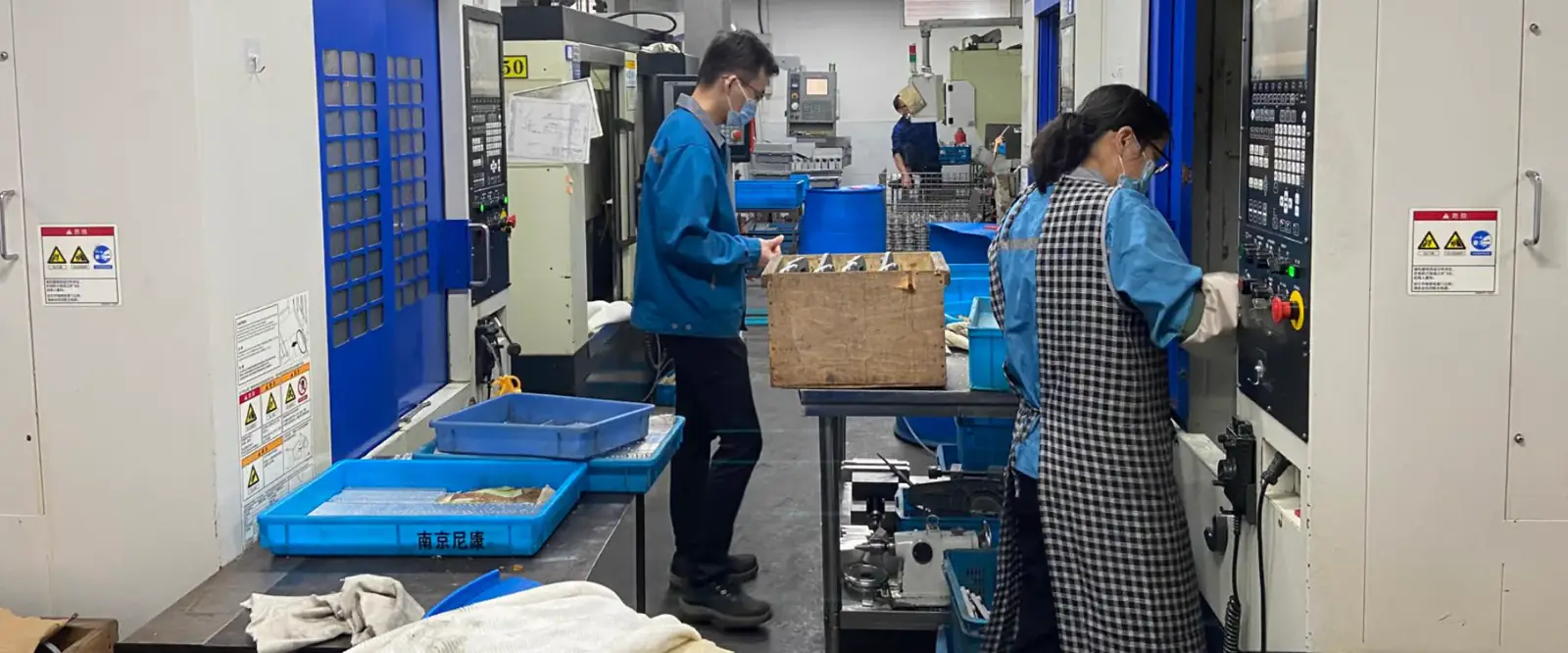
Factory or Process Image
Reserve space for a production, tooling, or inspection photo that visually supports the main topic.
Best as a wide industrial image
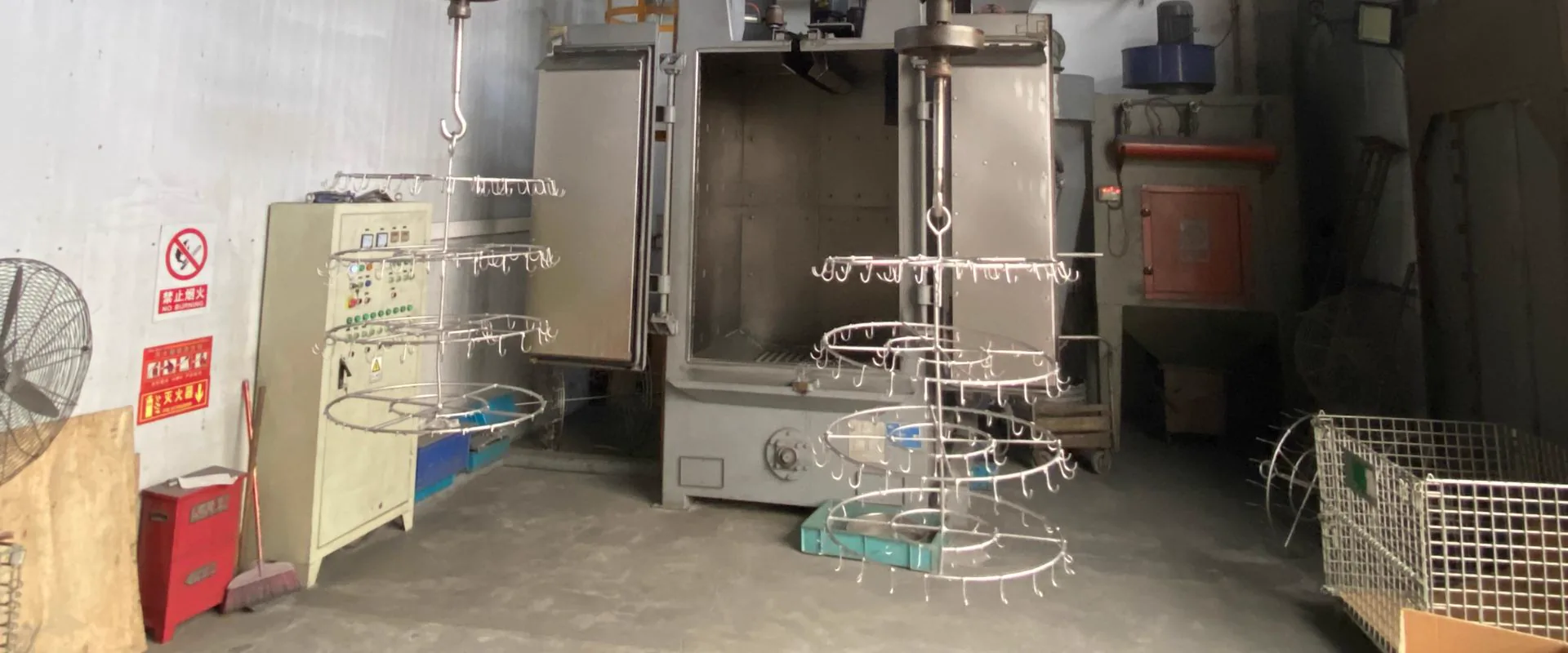
Component Detail Image
Use a close-up of a casting, surface finish, machined feature, or application component to add visual proof.
Best as a detail or macro shot
Every die casting exits the die with attached metal that must be removed before the part is usable. Understanding the options -trim die, CNC, shot blast, vibratory finishing -allows engineers and buyers to specify the most economical approach for their volume and quality requirements.
What Needs to Be Removed
Gate: The restricted channel through which metal entered the cavity at high velocity. Sized to achieve the correct fill speed (20-60 m/s in aluminum); deliberately restricted to maintain velocity. After solidification, the gate metal must be removed and the gate witness area on the casting surface managed.
Runner and sprue: The metal distribution system connecting the shot sleeve to the gates. On multi-cavity dies, the runner fans out to feed all cavities simultaneously. Runner metal is removed and recycled.
Overflow wells: Deliberate small cavities at the end of metal flow that capture cold-front metal and entrained air. They relocate the worst porosity from the casting to the overflow, which is removed post-casting. Without overflows, cold shuts and surface porosity appear at the end of fill.
Flash: Thin metal fins at parting lines, around slides, and at ejector pin locations. Flash forms wherever there is a small gap between die components -inherent at some level in all die casting. Excessive flash indicates worn dies or insufficient clamping force.
Trimming Method 1 -Trim Die (Press)
A dedicated trimming die -a separate tool matching the casting geometry -is installed in a hydraulic press. The casting is placed in the trimming die and the press closes, shearing all gates, overflows, and flash in a single stroke.
Process parameters:
- Trim die design: mirror image of the casting surfaces at all trim locations, with shearing edges at correct angles
- Press tonnage: typically 10-20% of casting machine tonnage for equivalent parts
- Trim timing: ideally while casting is still warm (100-150°C) -aluminum trims more cleanly warm than cold
- Cycle time: 3- seconds per part
Advantages:
- Fastest method per part -one press stroke removes everything
- Consistent -no operator skill required, same trim quality every cycle
- Clean shear at gate -minimal gate witness area
- Economical at volume -trim die amortizes quickly at 50,000+ pieces/year
Disadvantages:
- Requires a separate trim die ($2,000-15,000 per tool)
- Cannot easily accommodate design changes -trim die must be modified
- Gate location is fixed by the trim die design -must align with casting machine gate position
Best for: High-volume production programs (50,000+ pieces/year) with stable geometry.
Trimming Method 2 -CNC Routing / Milling
A CNC machining center removes gates, runners, and flash by routing or milling. The part is fixtured, and the CNC program removes material at all trim locations.
Process parameters:
- Routing bits: carbide for aluminum; carbide or HSS for zinc
- Feed rates: 1,000-5,000 mm/min depending on material and cut depth
- Fixturing: dedicated cast fixture or tombstone for multi-face access
- Cycle time: 20-30 seconds per part depending on complexity
Advantages:
- No separate trim tooling investment -fixture cost is lower than trim die
- Flexible -reprogrammable for design changes
- Can trim at complex gate locations impossible for a trim die
- Can combine trimming with secondary machining in one setup
Disadvantages:
- Slower per-part than trim die
- Higher labor cost on manual load/unload programs
- Chip management -aluminum chips in CNC require collection and recycling
Best for: Low-to-medium volume (under 50,000 pieces/year), complex gate geometry, programs with expected design revisions, or programs where trimming and secondary machining share a setup.
Trimming Method 3 -Manual Break and Grind
For prototype and very low-volume programs, gates are manually broken by bending and leverage, then ground or filed.
Limitations:
- Labor-intensive -15-20 seconds per part for a skilled operator
- Gate witness area quality is operator-dependent and inconsistent
- Cosmetic results not suitable for decorative plating applications
- Acceptable only for functional prototypes and development samples
Best for: Under 500 pieces, development programs, one-time samples.
Deburring Method 1 -Shot Blasting
High-velocity steel shot is projected against all accessible casting surfaces, simultaneously removing thin flash residue, cleaning the as-cast skin, and creating a uniform matte surface texture.
Process parameters:
- Shot material: steel shot (S110-S230 for aluminum/zinc), cut wire, or glass bead for non-ferrous
- Shot velocity: 50-60 m/s (controlled by impeller speed)
- Exposure time: 30-120 seconds depending on surface requirements
- Surface result: Ra 3.2-3.3 μm (matte), clean, flash-free on exposed surfaces
Limitations:
- Only reaches externally accessible surfaces -deep bores and recesses are not cleaned
- Cannot remove flash in fine internal features
- Leaves a shot-blast texture that must be considered for subsequent operations (plating, anodizing require smooth base)
Best for: Universal first deburring step on all aluminum programs. Standard surface preparation before powder coating, e-coating, and anodizing.
Deburring Method 2 -Vibratory Finishing
Parts tumble with abrasive media (ceramic, plastic, or porcelain chips) in a vibratory bowl or trough. The media contacts all accessible surfaces -including recesses and internal channels reachable by the media.
Process parameters:
- Media type: ceramic (aggressive, aluminum and zinc), plastic (moderate), porcelain (fine finish, pre-plating zinc)
- Media size: smaller media reaches finer features; larger media provides more aggressive cutting
- Compound: aqueous compounds for cleaning and cutting rate control
- Cycle time: 30 minutes to 4 hours depending on media aggressiveness and required result
Advantages over shot blasting:
- Reaches all surfaces accessible to media -including complex internal recesses
- More uniform finish -no directionality from impeller orientation
- Can achieve Ra 0.4-0.6 μm for pre-plating zinc applications (smoother than shot blast)
Disadvantages:
- Slower than shot blast for the same surface area
- Not suitable for parts with thin projections -fins, delicate ribs -that would be damaged by media impact
- Batch process -cycle time is part-independent, so small batches carry the same cycle cost as large batches
Best for: Zinc hardware before decorative plating -produces the smooth, uniform surface that achieves consistent chrome/nickel plating quality. Medium-volume programs where all-surface deburring is required.
Deburring Method 3 -Robotic Deburring
A robot with a spindle-mounted cutting tool (carbide burr, grinding wheel, or brush) follows a programmed path to remove burrs at specific locations. For high-volume programs with defined, consistent burr locations.
Advantages:
- Consistent -robot path repeatable to +/-0.5 mm
- Fast for targeted deburring -10-20 seconds for specific locations
- No operator skill dependency
Best for: High-volume programs with consistent burr locations at machined features (drilled holes, milled slots) where manual deburring would be a bottleneck.
Gate Witness Area -Design and Cosmetic Implications
Where the gate is located determines which casting surface shows the gate witness mark. This matters for:
Cosmetic applications: Chrome-plated zinc hardware must have gate witnesses on non-visible surfaces. A gate witness on the front face of a door handle is a cosmetic reject -visible as a slightly rougher area different from the as-cast surface around it.
Structural applications: Gate areas have slightly different thermal history and microstructure from the body of the casting (higher turbulence, more rapid solidification at the gate). Avoid placing gates at fatigue-critical sections -high-stress locations at radius transitions or mounting point bases.
KastMfg's DFM review specifically discusses gate location with customers before tooling design. Customers designate cosmetic surfaces at DFM review; KastMfg designs gating to keep gate witnesses on non-cosmetic faces.
Recycling: All Trim Metal Returns to the Furnace
Gates, runners, overflows, and flash removed during trimming are segregated by alloy and returned to the holding furnace as recycled metal. Aluminum and zinc die casting alloys are fully recyclable -the same properties are maintained through remelting provided impurity levels are controlled.
KastMfg's recycling rate: 75-85% of metal purchased returns to production via scrap recycling. The remaining 15-25% is part weight shipped to customers plus metal locked in trimmings that are sold to secondary smelters.
Trimming and deburring specifications: yaoqingpu1983@gmail.com | +86 138 1403 4409 | No.6, Rungu Road, Nanjing, China
Related Resources
Next steps for die casting trimming
Die Casting Steps -The Complete Process From Metal to Part
Step-by-step breakdown of the die casting process: die preparation, metal injection, solidification, ejection, trimming, and secondary operations. With process parameters for aluminum and zinc.
ToolingDie Casting Tooling
Connect process decisions back to gate design, thermal balance, and die maintenance planning.
CapabilityQuality Control
Review inspection workflow, traceability support, and process control standards before launch.
Process GuideDie Casting Process
See how casting, trimming, machining, finishing, and inspection fit together in production.
Need a Quote for Your Project?
Our engineering team is ready to review your requirements and provide competitive pricing with fast turnaround.
Request a Quote