A413 vs A380 Aluminum Die Casting: When to Use Each
Compare A413 and A380 aluminum die casting alloys by fluidity, pressure tightness, strength, machining, cost, and typical OEM applications.

Qingpu Yao
Process & Quality Engineering
Blog Visual Plan
Article visuals for A413 vs A380 aluminum die casting
These visuals use your current KastMfg image library now, and they will automatically switch to article-specific images when you add them later.
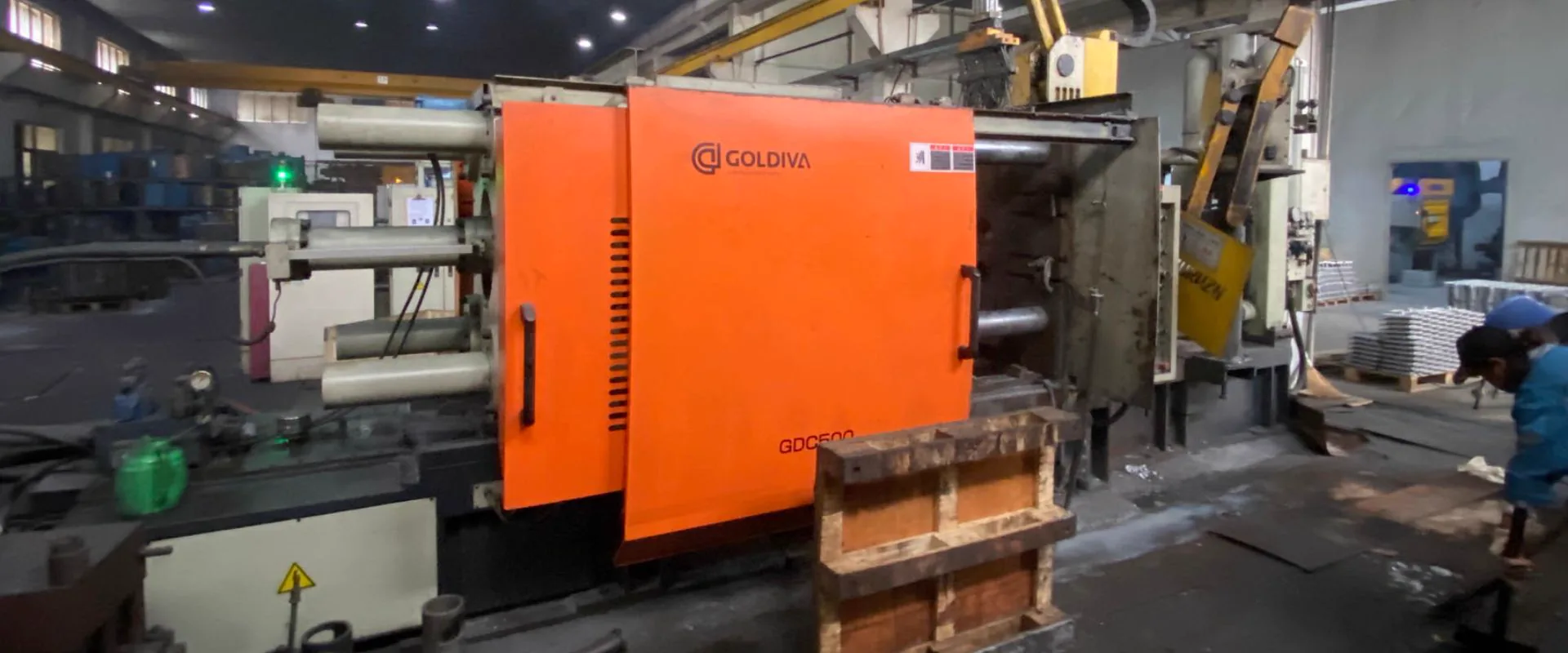
Lead Technical Image
Add a hero-level manufacturing, tooling, or component image that reinforces the article topic above the body copy.
Best as a wide industrial photo
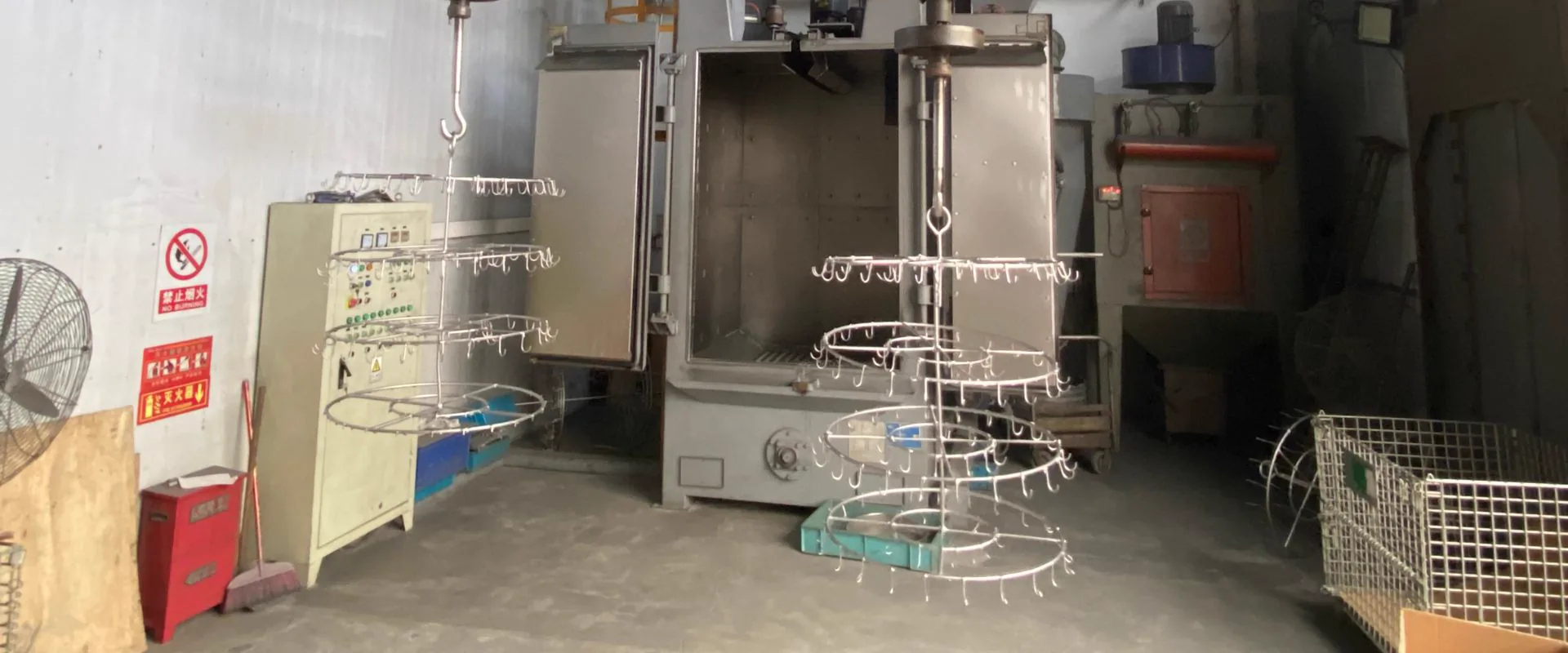
Comparison or Detail Image
Reserve a second image for an alloy comparison, defect example, tooling detail, or application close-up deeper in the article.
Best as a close-up or annotated visual
A413 and A380 are both aluminum die casting alloys, but they are not interchangeable. A380 is the default choice for many structural housings, brackets, covers, and general OEM parts. A413 is usually selected when fluidity, thin-wall filling, and pressure tightness matter more than the broad mechanical balance of A380.
For buyers, the practical decision is simple: start with A380 for general-purpose die castings, then review A413 when the part has leak-tight requirements, thin ribs, long flow paths, or complex pressure-retaining geometry.
Quick Comparison
| Factor | A380 | A413 |
|---|---|---|
| Best fit | General aluminum die cast parts | Pressure-tight and thin-wall castings |
| Casting fluidity | Good | Very good |
| Pressure tightness potential | Good with process control | Often better for leak-sensitive parts |
| Strength balance | Strong general-purpose profile | Good, but usually chosen for castability |
| Machining behavior | Good | Good, with tooling review |
| Cost and availability | Widely available | Available, but may require clearer sourcing control |
| Typical parts | Housings, covers, brackets, gear cases | Pump bodies, valve bodies, hydraulic housings, sealed covers |
When to Choose A380
Choose A380 when the part needs a reliable balance of castability, strength, dimensional stability, machinability, and cost. It is often the safest starting alloy for industrial housings, automotive brackets, motor covers, gearbox cases, lighting housings, and electrical enclosures.
A380 is especially practical when:
- The part is not carrying fluid or gas pressure.
- The geometry has normal wall thickness and reasonable flow length.
- The project needs broad supplier familiarity.
- Machining, coating, and assembly requirements are more important than extreme fluidity.
- The buyer wants a proven alloy for medium to high production volume.
For many OEM sourcing programs, A380 reduces alloy-related uncertainty because it is widely used and easy to benchmark.
When to Choose A413
Choose A413 when the casting must fill thin sections, complex ribs, or pressure-sensitive cavities with lower risk of cold shuts and leakage. A413 is commonly considered for pump housings, valve bodies, compressor parts, hydraulic components, sealed covers, and thin-wall aluminum castings.
A413 is worth reviewing when:
- The part has leak testing or pressure testing requirements.
- Fluid channels, ports, or sealing faces are part of the design.
- Thin walls or long flow paths make filling difficult.
- Porosity near machined sealing areas would create high scrap risk.
- The buyer needs good castability before adding machining and impregnation.
A413 is not a shortcut around poor tooling or process control. Gate design, venting, vacuum assistance, die temperature, machining allowance, and inspection planning still determine whether the finished part passes.
Engineering Decision Table
| Buyer Requirement | Better Starting Point | Why |
|---|---|---|
| General housing with ribs and bosses | A380 | Balanced properties and broad use |
| Thin-wall cover with long flow path | A413 | Better fluidity for difficult filling |
| Pump or valve body with leak test | A413 | Often stronger pressure-tightness potential |
| Automotive bracket | A380 | General mechanical balance and availability |
| Machined sealing surface | Depends on geometry | Alloy, porosity location, and machining allowance must be reviewed together |
| Lowest sourcing risk | A380 | More common in global die casting supply chains |
| Highest dimensional consistency | Depends on tooling | Alloy alone does not control distortion |
DFM Questions Before Final Alloy Selection
Before locking A413 or A380, buyers should ask the supplier to review:
- Minimum wall thickness and local thick-to-thin transitions
- Flow length from gate to final fill area
- Location of machined sealing faces
- Leak test pressure and acceptance criteria
- Porosity limits in critical zones
- Surface finishing and coating requirements
- Heat exposure during service
- Annual volume and tooling budget
The right alloy decision should be made together with die design, gating, venting, machining, and inspection planning.
Common Mistakes
- Selecting A413 only because the part is aluminum, without leak or filling requirements
- Selecting A380 for a pressure-tight part without reviewing porosity risk
- Moving sealing faces into areas likely to contain trapped air
- Defining leak testing after tooling is already built
- Ignoring coating buildup on gasket faces and threaded holes
- Treating alloy choice as a substitute for vacuum, venting, or DFM
These mistakes can turn a workable casting into a high-scrap production program.
Practical Recommendation
For most aluminum die casting projects, use A380 as the baseline alloy. Move to A413 when the part has thin-wall filling challenges, leak-tight requirements, or pressure-retaining features that make castability and porosity control more important than using the most common general-purpose alloy.
KastMfg can review A413, A380, A360, A390, and ADC12 options during DFM so the alloy decision matches the tooling, machining, finishing, and inspection plan.
FAQ
Is A413 stronger than A380?
Not necessarily in the way buyers usually mean. A380 is often selected for its balanced mechanical profile, while A413 is often selected for fluidity and pressure-tight casting potential. The better alloy depends on the part function.
Is A413 better for leak-tight die castings?
A413 is often a strong candidate for leak-sensitive aluminum die castings because of its castability and fluidity. The final leak performance still depends on die design, venting, process control, machining location, and testing.
Can I replace A380 with A413 without changing the tool?
Sometimes, but it should not be assumed. Alloy changes can affect filling, shrinkage, machining behavior, surface finish, and inspection results. Review the tool and quality requirements before switching.
Which alloy is better for aluminum housings?
A380 is usually the better starting point for general aluminum housings. A413 should be reviewed when the housing has thin walls, long flow paths, sealed cavities, or leak testing requirements.
About The Author
Qingpu Yao on A413 vs A380 aluminum die casting
Process & Quality Engineering
Focuses on DFM, tooling behavior, defect prevention, inspection planning, and production controls that affect yield and downstream machining stability.
Related Reading
Keep exploring the blog
Aluminum Die Casting Automotive: IATF, PPAP & Parts
Aluminum die casting is one of the primary manufacturing processes for automotive components because it combines lightweight structure, dimensional repeatability, thermal manage...
Qingpu Yao
8 min read
Aluminum Die Casting Electronics Enclosures Guide
Aluminum die casting for electronics enclosures is used when a housing needs mechanical protection, EMI shielding, heat dissipation, gasket sealing, connector features, and repe...
Qingpu Yao
4 min read
Aluminum Die Casting for EV Motor Housings
EV motor housings use aluminum die casting to combine structural support, heat dissipation, bearing alignment, sealing, connector mounting, and assembly features in one repeatab...
Qingpu Yao
4 min read